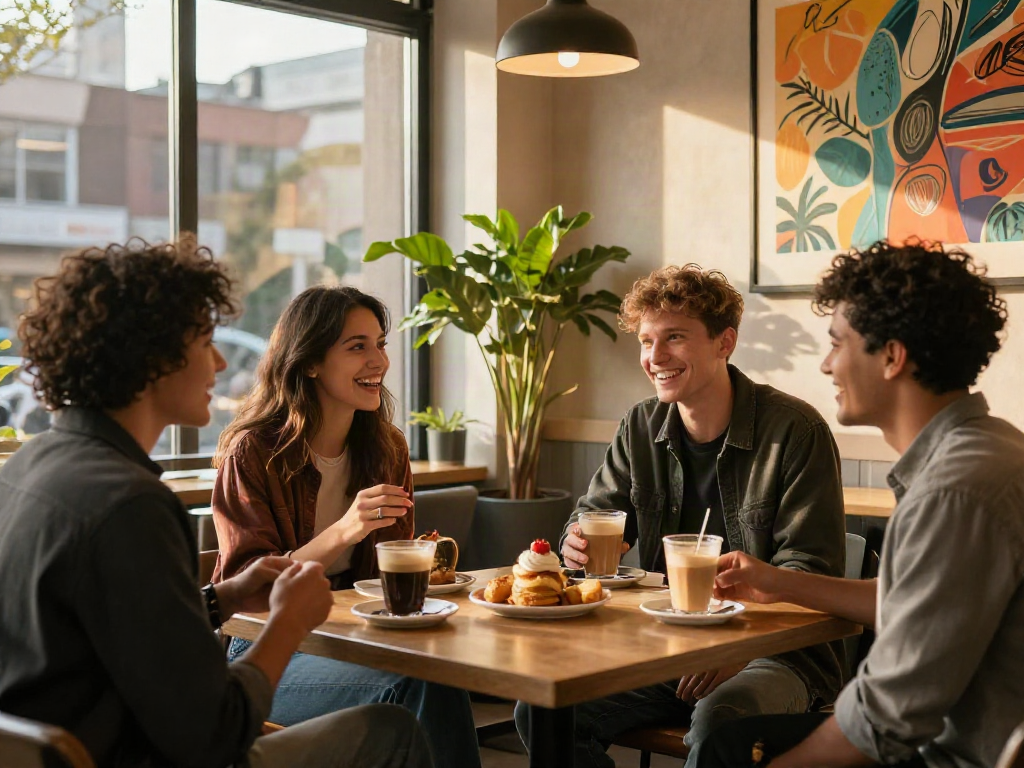
The Rise of Cafe Culture in 2026
The cafe culture has blossomed remarkably in recent years, transforming from simple coffee shops to vibrant social hubs where people connect, create, and unwind. This evolution is fueled by the growing demand for not just a beverage, but a rich experience surrounding social interaction, artistic expression, and culinary exploration. In 2026, cafes have become integral to our lifestyles, influencing how we work, meet, and engage with our communities. In this dynamic landscape, brands like rokok88 have emerged, offering unique experiences that cater to diverse tastes and preferences.
Understanding the Appeal of Cafes
What makes cafes so appealing? Firstly, they serve as communal spaces that foster connections between strangers, friends, and families. The ambiance, characterized by cozy seating, artistic decor, and often soothing live music, invites patrons to linger. The establishment of cafes as co-working spaces has also revolutionized their appeal, catering to freelancers and remote workers seeking a change from traditional office settings.
Additionally, the rise in specialty coffee and artisanal food items has further enhanced the cafe's allure. People are no longer satisfied with just a standard cup of coffee; they seek unique flavors, brewing methods, and organic ingredients that elevate their drinking experience. This demand for quality has birthed a notable trend within the cafe industry, where owners invest in sourcing top-tier coffee beans and creating innovative, delectable menus.
Key Elements of Successful Cafe Environments
To thrive in the competitive cafe market, certain elements must harmoniously blend. These include:
- Aesthetic Appeal: The visual presentation of a cafe plays a crucial role in attracting customers. Thoughtful design, including color schemes, lighting, and furniture choices, creates an inviting atmosphere.
- Quality Products: Offering high-quality coffee and food options is non-negotiable. Customers are increasingly discerning, and they appreciate cafes that prioritize craftsmanship in their offerings.
- Customer Service: Friendly and attentive service enhances customer experience. Staff training should focus on creating a welcoming and knowledgeable environment.
- Community Engagement: Hosting events, live music, or art shows allows cafes to connect with their local communities, positioning themselves as cultural hubs.
Creating a Unique Café Experience
In an oversaturated market, creating a unique café experience is vital for success. This begins with designing inviting spaces that resonate with the target audience. Incorporating local art, comfortable seating arrangements, and even outdoor seating can set a cafe apart. Additionally, thoughtful layout helps facilitate social interaction, encouraging customers to stay longer and return frequently.
Designing Inviting Spaces that Attract Customers
Successful cafes often embrace unique interior design that tells a story. For instance, utilizing reclaimed materials, geometric patterns, and biophilic design elements creates an environment that feels relaxed and appealing. Spaces should cater to both solitary patrons and social groups, offering a variety of seating options ranging from communal tables to cozy corners.
Menu Innovations and Craftsmanship
The menu is another critical aspect of the café experience. Innovative menu items that include local ingredients can draw attention. Seasonal offerings or collaborations with local bakers and brewers can create excitement and curiosity among patrons. Furthermore, catering to dietary preferences, including vegan and gluten-free options, can significantly broaden a café's appeal.
Integrating Community and Events for Engagement
Events like trivia nights, open mic events, or art displays can encourage community engagement. These activities create a regular influx of customers who come not just for coffee but for the vibrant social experiences cafes provide. This further reinforces customer loyalty, making them more likely to advocate for the brand.
Marketing Strategies for Café Success
Effective marketing strategies are paramount to ensuring a café's success and longevity. In 2026, leveraging social media platforms to engage with potential customers has become essential. Cafes should also focus on building a strong online presence through visually appealing content, including photos of signature drinks, food items, and events.
Utilizing Social Media to Build Community
Platforms like Instagram and TikTok allow cafes to showcase their unique offerings visually and engage with customers on a personal level. Creating interactive content such as polls about new menu items or user-generated content campaigns can foster community participation and brand loyalty.
Effective Promotions and Loyalty Programs
Incentive programs such as buy-five-get-one-free coffee or discounts for loyal customers can encourage repeat visits. Additionally, collaborating with local businesses for cross-promotions can enhance visibility and attract a broader audience. Utilizing apps for loyalty programs can also streamline this process, providing convenience for customers.
Collaborations and Partnerships with Local Businesses
Collaborating with local artists for art displays, musicians for performances, or nearby bookstores for joint events can significantly enhance a café's community presence. These partnerships not only enrich the customer experience but also create shared marketing opportunities that benefit all parties involved.
Challenges Facing Cafés Today
Despite the positive outlook, cafes face several challenges in 2026. The need to adapt to changing consumer preferences, manage supply chain disruptions, and maintain quality and consistency during periods of growth is paramount to survival in this competitive industry.
Navigating Supply Chain Issues in the Food Industry
Ongoing supply chain issues have made it difficult for cafes to maintain inventory and price stability. Establishing strong relationships with suppliers and considering local sourcing can mitigate some of these issues. Offering limited-time menu items that utilize readily available ingredients can also help maintain customer interest while managing costs.
Adapting to Rapid Changes in Consumer Preferences
Customer preferences shift rapidly, often influenced by trends and cultural movements. Cafes must remain agile and responsive, embracing flexibility in their product offerings and services. Implementing customer feedback mechanisms can facilitate this adaptation, allowing cafes to understand and meet their patrons' evolving needs.
Maintaining Quality and Consistency Amid Growth
As cafes expand, maintaining the quality of food and service can become increasingly challenging. Streamlining training processes for new staff and implementing standardized recipes can help ensure that all locations deliver a consistent and high-quality experience. Regular audits and feedback loops can further enhance operational efficiency.
Future Trends in Café Culture
The café culture in 2026 is not static; it evolves with technological advancements and changing societal norms. Staying ahead of these trends is vital for cafes aiming to thrive in the long term.
Technology Innovations Transforming the Café Experience
Technology is reshaping how cafes operate, from mobile ordering systems to contactless payments. Implementing these innovations streamlines the customer experience and enhances operational efficiency. Additionally, using data analytics can empower cafes to personalize customer interactions and optimize menu offerings.
Sustainability Practices in the Coffee Industry
Sustainability continues to be a focal point for consumers. As a result, cafes are increasingly adopting sustainable practices, such as using eco-friendly packaging, sourcing organic and fair-trade coffee, and implementing waste reduction strategies. These efforts not only appeal to environmentally conscious customers but also help create a positive brand image.
Anticipating Shifts in Customer Behavior Post-Pandemic
As we continue to move past the pandemic era, cafes must understand and anticipate shifts in customer behavior. This includes increased health consciousness, desire for outdoor seating, and preference for contactless service. Adapting to these trends can position cafes favorably as they re-engage their communities.
What are the essential elements of a successful cafe?
Successful cafes incorporate aesthetic appeal, quality products, exceptional customer service, and community engagement into their operations. These elements create not just a product but an inviting atmosphere that attracts customers.
How to attract and retain customers in a competitive market?
Attracting and retaining customers requires a blend of effective marketing, innovative offerings, and excellent service. Social media engagement, loyalty programs, and unique menu items can significantly enhance customer loyalty.
What innovations are shaping the future of cafes in 2026?
In 2026, innovations such as mobile ordering, data analytics, and sustainability practices are shaping the cafe landscape. These advancements enhance operational efficiency and align with consumer preferences for quality and responsibility.
How can social media effectively promote cafe culture?
Social media can be leveraged to promote cafe culture by showcasing visually appealing content, engaging with customers through interactive posts, and utilizing user-generated content that fosters community interaction.
What sustainability practices should cafes implement?
Cafes should implement sustainability practices including sourcing organic ingredients, using eco-friendly packaging, and minimizing food waste. These efforts resonate with consumers and contribute positively to the environment.