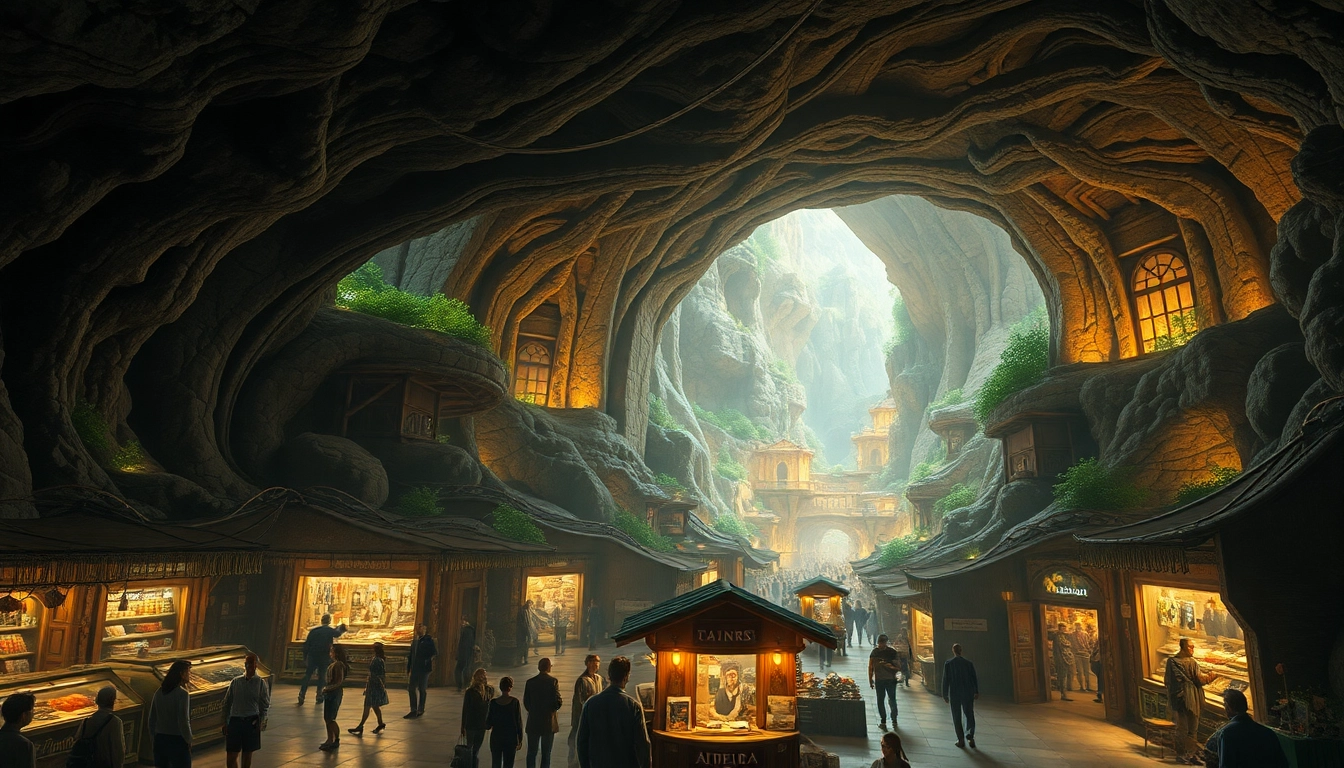
The Fascination with Underground Cities in the US
Underground cities have long captivated the imagination of adventurers, historians, and urban explorers. The hidden communities beneath our feet reveal tales of innovation and architectural creativity, as well as challenges posed by nature and society. From ancient civilizations to modern urban planning, the story of underground cities in the us is rich and multifaceted.
Origins and History of Underground Cities
Dating back centuries, the concept of subterranean living can be traced to various cultures worldwide. In the US, some of the earliest underground development occurred in response to the harsh weather conditions and protection against invaders. Examples include the Native American cliff dwellings in the southwestern deserts. As cities grew during the Industrial Revolution, the rise of tunnels, basements, and underground facilities began to take shape; however, it was during the late 19th and early 20th centuries that underground cities saw notable expansion for both practical and imaginative purposes.
Significance in Cultural Context
Underground spaces often reflect the societal values, economic conditions, and historical circumstances of their time. Cultural significance is evident in how these subterranean pockets serve as shelter, venues for social gatherings, and even as sites of resistance. The underground has become a metaphor for many human experiences, including hiding, survival, and a desire to escape the chaotic surface world.
Modern Rediscoveries and Interest
In recent years, a resurgence of interest in underground cities can be attributed to several factors, including urban development, modern architecture, and the desire for unique experiences. Tours and explorations of historical tunnels and underground networks have gained popularity, providing insights into the past and present of urban life. Additionally, the movement toward sustainability has prompted renewed interest in leveraging underground spaces for efficient and environmentally friendly practices.
Exploring Famous Underground Cities in the US
Seattle's Underground: A Historical Marvel
Seattle’s underground offers a captivating narrative woven through the city’s development. After the Great Seattle Fire in 1889, the city was rebuilt on top of its flooded streets, creating a hidden network of tunnels beneath the surface. Today, visitors can explore these intriguing passageways on guided tours, where they learn about the challenges of early city planning, the lives of the residents who walked the tunnels, and the unique architecture that still captivates. Seattle’s underground stands as a testament to resilience and creativity, enticing millions annually with its history.
Winston-Salem’s Hidden Tunnels
The city of Winston-Salem, North Carolina, is home to a series of secret tunnels connecting some of its historic buildings, particularly those tied to the tobacco and textile industries. These tunnels allowed workers to transport goods without the harsh elements. Over time, they became integral to the urban landscape and have inspired curiosity and exploration. Various historical societies often conduct tours to delve into this underground tapestry that reflects the city’s industrious past and its unique cultural aspects.
The Mysteries of Las Vegas’ Subsurface
Las Vegas is not only known for its glittering nightlife but also its extensive underground landscape, including drainage systems, tunnels, and hidden establishments beneath the famous Strip. These subterranean spaces serve practical purposes, but they have also become the subject of urban legends and folklore, adding an element of mystery to the city. Explorers and urban adventurers often brave these areas, adding to the mythos surrounding Las Vegas and highlighting the duality of its bright surface world and dark, hidden underbelly.
Architectural Features of Underground Cities
Design Elements and Structures
Architecture in underground cities revolves around not just functionality but also creativity. Ventilation and light are critical considerations, which is why many underground spaces incorporate elements like skylights, large openings, and creative design features to maximize natural light exposure. Historical examples demonstrate how builders have ingeniously used arches, domes, and reinforced walls to enhance stability while maintaining aesthetic integrity, creating harmonious spaces that feel welcoming despite being beneath the surface.
Integration with Natural Landscapes
Many underground structures must adapt to existing landscapes. Cities often leverage natural resources and contours to design subterranean spaces that meld seamlessly with their surroundings. For instance, some innovative projects use earth-sheltering techniques to create buildings that coexist with the environment. This reduces energy costs, enhances thermal performance, and integrates buildings into their natural habitats, transforming them into cohesive elements of the landscape.
Sustainability Practices in Subterranean Building
As sustainability becomes a priority in urban planning, underground cities offer unique opportunities for eco-friendly practices. Subterranean construction helps mitigate urban heat islands and reduces the need for extensive landscaping. Moreover, the inherent insulation properties of underground structures lead to lower energy consumption for heating and cooling. Innovative solutions like rainwater harvesting, geothermal energy utilization, and green building materials are being increasingly implemented in these spaces, showcasing the potential for responsible development beneath the ground.
Visiting Guidelines for Underground Cities in the US
Best Practices for Adventurous Travelers
Exploring underground cities can be an exhilarating experience, but it requires planning and awareness. Tourists are encouraged to book guided tours that provide insights into the historical significance and architecture of the area. It is also advisable to wear comfortable shoes, as many underground paths involve walking considerable distances. Additionally, travelers should consider their physical health and any claustrophobia before embarking on an underground adventure. Being mindful of cultural sensitivities and local regulations is also key.
Safety Considerations and Tips
Safety is paramount in any underground exploration. Visitors should heed all safety instructions provided by guides, especially regarding emergency exits and the locations of emergency equipment. Staying within designated paths and avoiding unauthorized areas is vital to ensure both personal safety and the preservation of historical sites. It is also recommended to bring a flashlight or headlamp, as many underground spaces might lack adequate lighting, contributing to an immersive but safe exploration experience.
Unique Experiences Offered Underground
Each underground city provides distinct experiences depending on its history and use. Some locations offer theatrical performances in historic settings, immersive art installations, or themed tours that take guests on journeys through time. Others may feature peculiar eateries, boutique shops, or interactive exhibits that make for an unforgettable outing. Whether interested in history, architecture, or culture, travelers can find unique attractions in the hidden realms beneath their feet, enriching their understanding of urban life.
Future Perspectives on Underground Cities in the US
Urban Development and Infrastructure
The future of underground cities will largely depend on urban development trends. As urban populations continue to rise, many cities may explore underground expansion to make optimal use of limited land space. Innovative designs for residential, commercial, and transport infrastructures may emerge, integrating social spaces with sustainability goals. Efficient underground transportation networks can ease surface congestion, redefine urban living, and enhance aesthetic interactions among buildings.
Environmental Impacts and Benefits
Creating more underground spaces offers numerous environmental benefits. Besides minimizing urban sprawl, utilizing underground areas lowers carbon footprints by reducing demand on land surface resources. Protecting unique ecosystems from extensive overdevelopment can lead to healthier urban environments. Additionally, subterranean developments can contribute to stormwater management, renewable energy integration, and heat absorption, making cities more resilient to climate change-related challenges.
Prospects for Sustainable Living Below Ground
The movement towards sustainability suggests bright prospects for underground living. As more people become conscious of their ecological impact, such developments embrace sustainable lifestyles by offering innovative housing solutions that reduce energy waste and optimize resource allocation. Creating mixed-use underground communities may promote social connectivity while providing easy access to amenities, thus redefining urban standards and available lifestyles, crafting a future where living below ground is an aspirational choice.
FAQs
What are underground cities?
Underground cities are sub-surface spaces designed for habitation, commercial use, or tourism, featuring interconnected tunnels, buildings, and various facilities.
Are there tours available for exploring underground cities?
Yes, many underground cities offer guided tours that provide insight into their history, architecture, and cultural significance.
Can I visit underground cities year-round?
Access to underground cities may vary by location and season. Always check with local tourism organizations for current availability and schedules.
What safety precautions should I take when visiting?
Follow guidelines from tour guides, stay on designated paths, wear suitable footwear, and be aware of your surroundings to ensure a safe experience.
How do underground cities promote sustainability?
Underground cities conserve land, reduce energy consumption, and integrate eco-friendly practices such as geothermal energy and rainwater harvesting.