What is Drayage?
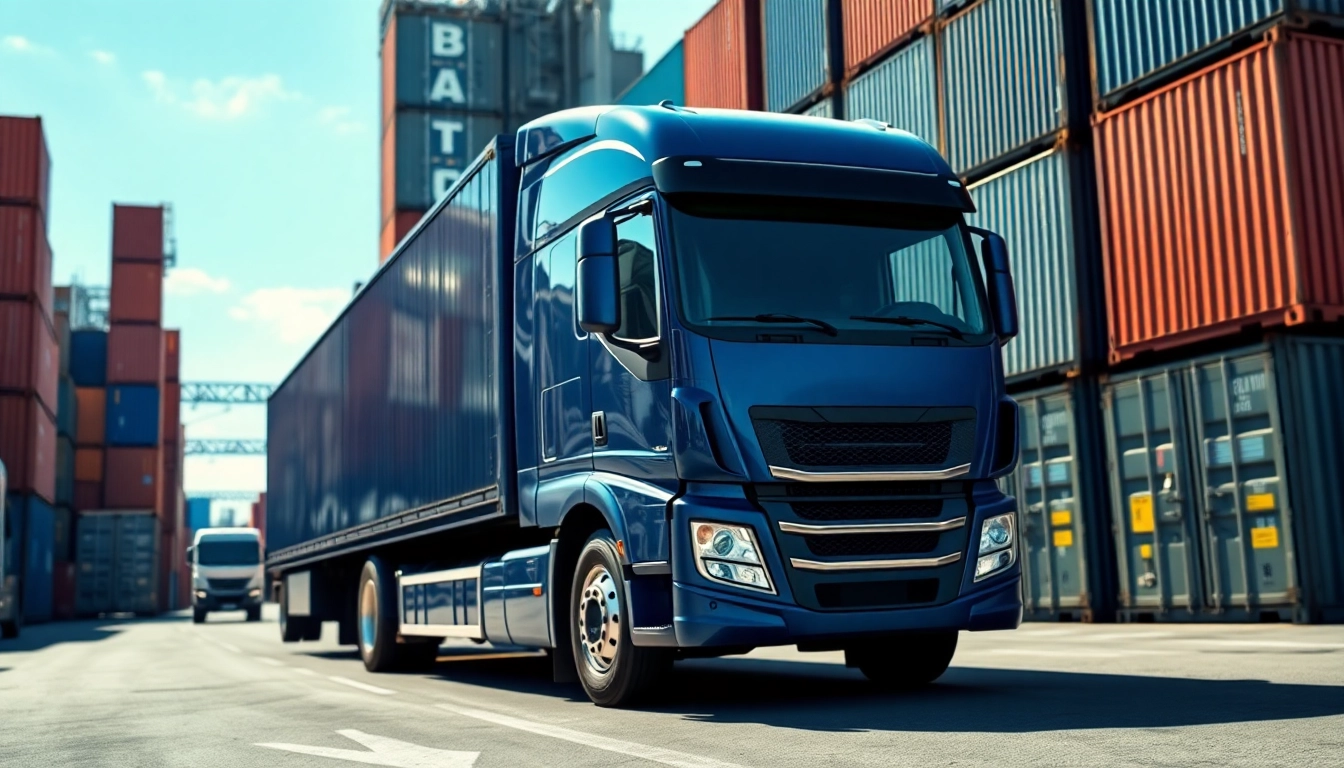
Drayage defines a crucial component in the logistics and transportation sector, especially concerning intermodal freight shipping. It primarily involves the short-haul transport of shipping containers, typically by truck, from ports or rail terminals to their final distribution locations. Understanding the intricacies of drayage can significantly impact overall supply chain efficiency and cost. For a deeper dive into drayage methodologies, you might check out Drayage.
Definition and Importance of Drayage
Drayage is fundamentally defined as the movement of goods over a short distance, critically connecting various modes of transport such as shipping containers from maritime vessels to ground transportation systems or between different freight terminals. Its importance cannot be overstated, as it serves as a bridge that facilitates the seamless flow of goods in a global supply chain, especially in a time-sensitive environment.
How Drayage Fits into Freight Logistics
In the broader scope of freight logistics, drayage functions as a vital link in the supply chain by ensuring that containers are efficiently transferred between ships, trucks, and rail systems. This segment usually comprises distances that do not exceed 50 miles, emphasizing its role in short-distance logistics. Without effective drayage services, delays can occur, creating bottlenecks that can ripple through the entire supply chain.
Historical Context of Drayage Services
The origins of drayage can be traced back to earlier forms of transportation, where the method involved the movement of goods using horse-drawn carts. As trade and industry evolved, so did the means of drayage, transitioning into modern trucking and shipping methods. The advent of containerization in the mid-20th century revolutionized drayage by streamlining the loading and unloading processes at ports, enabling quicker turnaround times and increased shipping capacity.
Types of Drayage Services
Intermodal Drayage Explained
Intermodal drayage involves the transportation of shipping containers across different modes, such as from a cargo ship to a rail terminal. This type is especially vital in global shipping networks where goods are transported via multiple systems before reaching their final destination. Using intermodal drayage optimizes shipping time and costs, leveraging the strengths of each transport method while minimizing empty transport mileage.
Dedicated Drayage Services
Dedicated drayage services focus on the shifting of containers along fixed routes according to a predetermined schedule. Companies may employ dedicated drayage for consistent and predictable deliveries, beneficial for businesses requiring reliable logistics support. This service is essential for maintaining inventory levels and minimizing delays in shipping operations.
Port Drayage: Key Considerations
Port drayage specifically refers to the transport of containers to and from ports. Key considerations include the proximity of warehouses and distribution centers to the port, truck congestion, and regulatory constraints. Successful port drayage requires effective scheduling, as delays can incur additional costs, such as demurrage fees, significantly impacting overall shipping expenses. Understanding these nuances helps logistics managers optimize freight flow and ensure timely deliveries.
Benefits of Effective Drayage Management
Cost Efficiency in Transportation
By effectively managing drayage, businesses can significantly reduce transportation costs. Practices like optimizing routes, consolidating shipments, and reducing dwell times can lead to substantial financial savings. Establishing relationships with reliable drayage carriers can also help negotiate better rates and service terms.
Enhancing Supply Chain Visibility
Efficient drayage management enhances supply chain visibility, allowing companies to monitor and track the movement of goods in real time. This transparency not only boosts operational efficiency but also builds customer trust, as businesses can provide accurate delivery updates and timelines. Technology, such as GPS tracking and advanced analytics, plays a vital role in achieving this level of visibility.
Improving Delivery Timeliness
Timeliness in deliveries is paramount in logistics. Effective drayage management ensures that shipments are moved rapidly between interconnected points, reducing the time goods spend in transit. Improved delivery timelines can lead to higher customer satisfaction rates and promote repeat business, ultimately driving profits.
Challenges in Drayage Operations
Finding Reliable Drayage Carriers
One significant challenge in drayage operations is sourcing dependable drayage carriers. Not all carriers provide the same level of service, and inconsistencies can lead to shipment delays. Companies can alleviate this issue by establishing partnerships with vetted carriers through formalized agreements or by joining networks that emphasize reliability and performance.
Demurrage vs. Drayage: Understanding Costs
Understanding the difference between demurrage and drayage is crucial for managing logistics costs. Demurrage refers to fees charged when cargo is not picked up from the port within the specified timeframe, while drayage is the cost incurred for transporting goods over short distances. Companies should strategize to minimize both costs through effective planning and operations management to optimize their logistics budget.
Environmental Impact Considerations
The environmental footprint of drayage operations is a growing concern. With increasing regulations focused on sustainability, companies face pressures to innovate in reducing emissions from their fleet. Strategies include investing in fuel-efficient trucks, optimizing load capacities, and exploring eco-friendly fuel alternatives. Embracing these changes not only helps the planet but can also enhance corporate image and sustainability metrics.
Future Trends in Drayage
Technological Innovations in Freight Transportation
Technology is rapidly transforming the landscape of drayage. Innovations such as autonomous trucks, AI-driven routing software, and blockchain for supply chain transparency are set to redefine operations. Companies that adopt these technologies will likely see improved efficiency, reduced costs, and elevated service levels.
Regulatory Changes Affecting Drayage
Future operational strategies must consider ongoing changes in regulations regarding trade, labor, and environmental standards. Keeping abreast of emerging rules ensures compliance while allowing firms to adjust logistics strategies preemptively. As stricter regulations roll out, companies must navigate these waters efficiently to maintain operational fluidity.
Market Demand and its Implications
The e-commerce boom significantly elevates the demand for efficient drayage services. As businesses expand globally and supply chains become more complex, the pressure on drayage operations will only intensify. Companies must remain agile, adapting both their technologies and logistics strategies to meet these increasing demands without compromising service quality.