What Are Anxiety Symptoms?
Anxiety is a natural response to stress, but its symptoms can vary widely from person to person. Understanding the different anxiety symptoms is essential for identifying whether you or someone you know may need help. From physical manifestations like a racing heart to cognitive challenges such as persistent worry, anxiety can take many forms. It’s important to explore these symptoms to differentiate anxiety from other related conditions. For a more comprehensive understanding of anxiety symptoms, resources are available on various platforms including anxiety symptoms.
Common Physical Anxiety Symptoms
Physical anxiety symptoms are often the most recognized. They include:
- Increased Heart Rate: A racing heartbeat can occur even in calm situations.
- Shortness of Breath: Many experience difficulty breathing or feeling like they are choking.
- Sweating: Excessive sweating often accompanies anxiety, especially in stressful situations.
- Trembling or Shaking: This symptom can be evident in the hands or legs.
- Digestive Issues: Anxiety can lead to nausea, stomach cramps, or changes in appetite.
- Fatigue: A constant feeling of tiredness can stem from worrying and stress.
Emotional and Cognitive Anxiety Symptoms
Emotional symptoms of anxiety may not be as visible as physical symptoms, but they are equally important. Here are some common emotional and cognitive symptoms:
- Persistent Worry: An ongoing sense of dread or anxiety over everyday situations.
- Irritability: Increased irritability can occur, affecting relationships with others.
- Concentration Issues: Difficulty focusing or keeping a train of thought is common.
- Feelings of Impending Doom: An overwhelming sense that something bad will happen.
- Overthinking: Constantly analysing situations can paralyze decision-making.
Differentiating Anxiety Symptoms from Other Conditions
It can be challenging to identify anxiety symptoms because many overlap with other conditions, such as depression, stress disorders, or even some physical illnesses. To differentiate anxiety from these conditions, consider the following:
- Assess the duration and intensity of symptoms. Anxiety symptoms tend to be chronic.
- Evaluate triggers. If symptoms occur mainly in response to specific stressors, they may be situational rather than indicative of anxiety disorders.
- Consider the context. Anxiety symptoms often accompany significant life events but should also be evaluated on their own.
Recognizing the Signs of Anxiety Symptoms
Recognizing the signs of anxiety symptoms is vital for both individuals and their loved ones. Early detection can significantly improve outcomes through proper management and treatment.
Self-Assessment Techniques
Self-assessment is a practical way to evaluate whether you are experiencing anxiety symptoms. Techniques include:
- Journaling: Keep a daily record of your thoughts and feelings, noting any recurring anxiety symptoms.
- Rate Your Symptoms: Use a scale from 1–10 to define the severity of your anxiety over time.
- Reflect on Triggers: Identify situations that spark anxiety to recognize patterns.
When to Seek Professional Help
Seeking professional help is crucial when:
- Anxiety symptoms interfere with daily life.
- You experience debilitating feelings or thoughts.
- Self-help techniques don’t alleviate symptoms.
- Suicidal thoughts arise; immediate help is needed.
Importance of Early Detection
Addressing anxiety symptoms early can lead to better management and less severe long-term effects. Early intervention allows for the exploration of various treatment options before symptoms escalate. It fosters better self-awareness and helps in building effective coping strategies.
Managing Anxiety Symptoms at Home
While professional help is crucial for many, there are methods to manage anxiety symptoms at home that can provide immediate relief and long-term benefits.
Practical Relaxation Techniques
Incorporate relaxation techniques into your daily routine to combat anxiety effectively:
- Deep Breathing: Practice inhaling deeply through your nose and exhaling slowly through your mouth.
- Progressive Muscle Relaxation: Tense and then relax different muscle groups, starting from the toes and moving up.
- Visualization: Imagine a peaceful scene or memory, focusing on sensory details to calm your mind.
Developing Positive Coping Mechanisms
Finding healthy outlets for anxiety can make a significant difference. Consider the following strategies:
- Physical Activity: Regular exercise can boost endorphins and improve mood.
- Creative Outlets: Engage in art, music, or writing to express and process feelings.
- Establish Routines: Having a structured daily routine can provide a sense of stability and predictability.
Incorporating Mindfulness Practices
Mindfulness and meditation can help ground you when anxiety symptoms arise. Here are some suggestions:
- Mindful Meditation: Spend a few minutes each day focusing on your breath and being present in the moment.
- Body Scans: Perform a mental scan of your body, noting areas of tension without judgment.
- Gratitude Journaling: Regularly write down things you are grateful for, which can shift focus away from anxiety.
Professional Treatments for Anxiety Symptoms
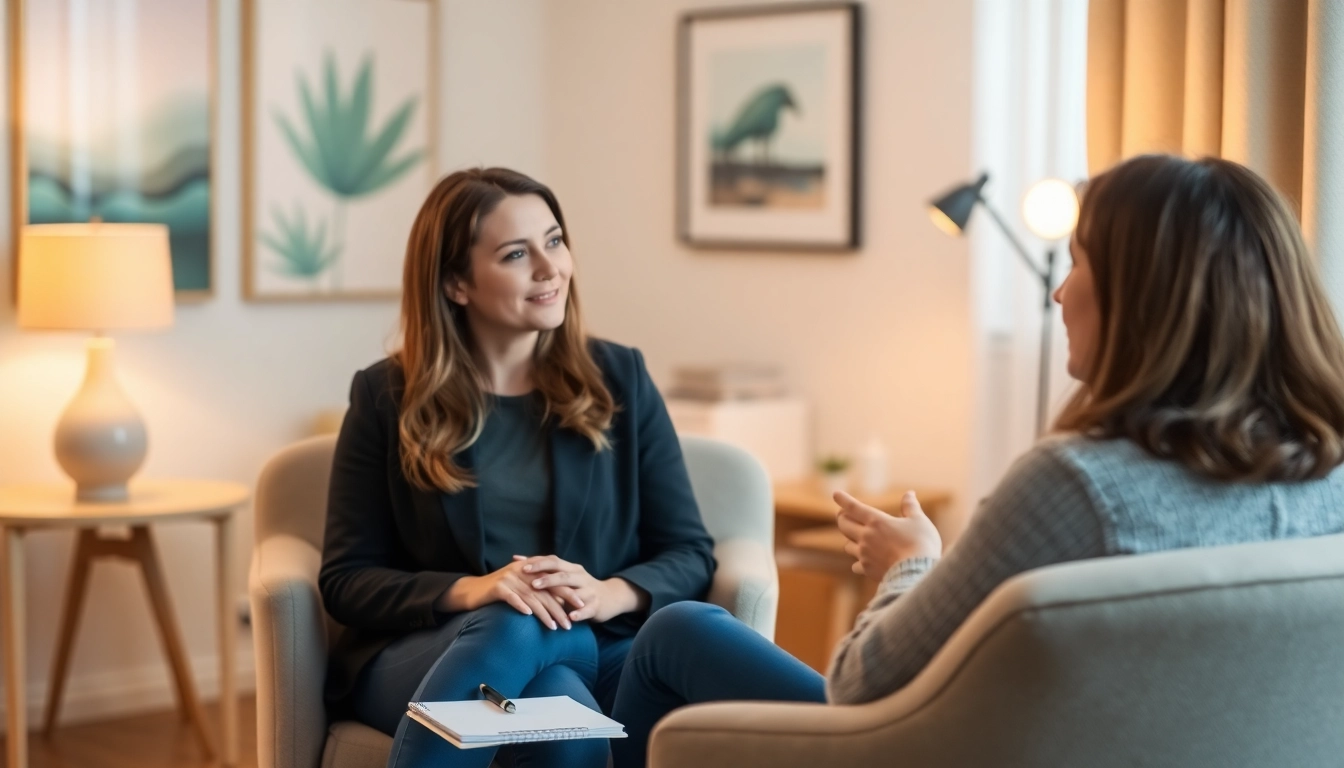
For many, self-management strategies may not be sufficient, leading them to explore professional treatments for anxiety symptoms. Various treatment options offer varying approaches, tailored to individual needs.
Cognitive Behavioral Therapy (CBT)
CBT is a leading form of psychotherapy effective in treating anxiety disorders. It involves:
- Identifying negative thought patterns and beliefs.
- Learning coping strategies to manage symptoms.
- Gradually exposing patients to feared situations to reduce avoidance.
Medication Options and Considerations
In some cases, medication can be beneficial. Common classes include:
- Antidepressants: Such as SSRIs that help regulate mood.
- Benzodiazepines: For short-term relief of acute anxiety symptoms.
- Beta-Blockers: To manage physical symptoms like a racing heart.
A healthcare provider can help determine the best fit based on individual circumstances.
Alternative Therapies for Managing Symptoms
Many seek complementary therapies to support traditional treatment. Some viable options include:
- Yoga: Combines physical postures, breathing exercises, and meditation.
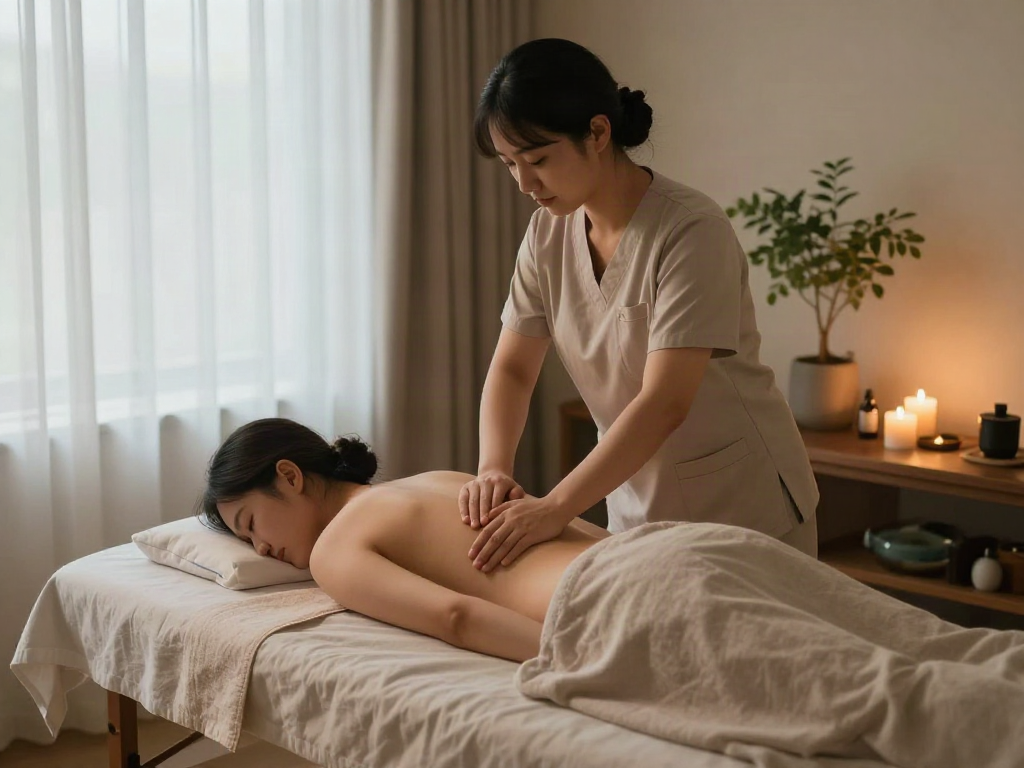
- Acupuncture: Some find relief from anxiety through acupuncture treatments.
- Herbal Supplements: Consider consulting a healthcare professional before trying herbs such as chamomile or valerian root.
Living with Anxiety Symptoms: Building Resilience
Living with anxiety symptoms can be challenging, but resilience can be fostered through proactive strategies and support systems.
Creating a Supportive Environment
A nurturing environment can effectively help manage anxiety. Steps to consider include:
- Surround yourself with supportive friends and family.
- Communicate openly about your feelings and struggles.
- Limit exposure to negativity, whether online or in-person.
Staying Informed about Anxiety Management
Education is key in managing anxiety symptoms. Staying informed about the latest findings in psychology can empower you to make informed choices. Workshops, webinars, or reading material can ensure you are up-to-date with effective strategies.
Resources and Communities for Support
Connecting with others who experience similar challenges can be incredibly beneficial. Consider:
- Joining local or online support groups.
- Participating in workshops focused on anxiety management skills.
- Utilizing hotlines and community resources for immediate assistance.
Frequently Asked Questions
1. What are the main symptoms of anxiety?
Common symptoms include excessive worry, restlessness, fatigue, difficulty concentrating, and physical symptoms such as sweating or a racing heart.
2. How can I tell if my anxiety is serious?
If anxiety affects your daily life, relationships, or job performance, it may be time to seek professional help.
3. Can anxiety symptoms be managed without medication?
Yes, many people find relief through therapy, lifestyle changes, and relaxation techniques without medications.
4. How quickly can therapy reduce anxiety symptoms?
Improvements can vary, but many individuals notice changes within a few weeks of starting therapy like CBT.
5. Are there online resources for managing anxiety?
Yes, many organizations offer online support, forums, and virtual therapy sessions dedicated to anxiety management.