
Understanding Sports Broadcasting
Definition of Sports Broadcasting
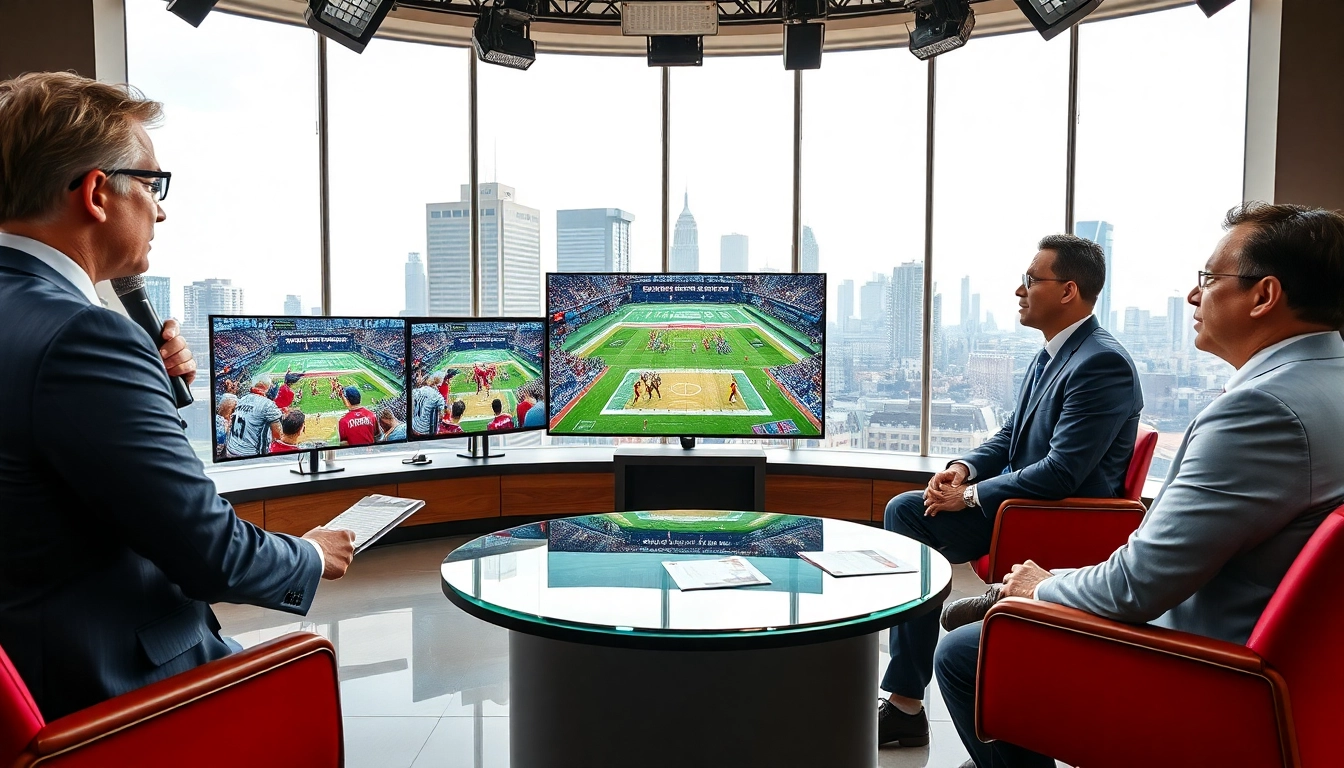
Sports broadcasting is the dissemination of live or recorded coverage of sporting events through various media channels, including television, radio, and online platforms. This process encompasses not only the live transmission of games but also commentary, analysis, and discussions related to the events. The primary goal is to engage the audience, deliver news about the events, and provide insights into the sports world. Furthermore, Sports Broadcasting plays a crucial role in connecting fans to their favorite teams and players, enhancing their overall experience.
History of Sports Broadcasting
The roots of sports broadcasting can be traced back to the early 20th century when radio became popular. The first live sports event broadcast was a baseball game in 1921, paving the way for a new era of sports viewership. Over the decades, advancements in technology led to the introduction of television broadcasts, with NFL games becoming some of the most-watched events during the 1950s. The color TV revolution in the 1960s further transformed the viewing experience, allowing audiences to witness sports in vivid detail. As the Internet age emerged, streaming services disrupted traditional broadcasting models, allowing fans to access content anytime, anywhere.
Key Components of Sports Broadcasting
Effective sports broadcasting comprises several essential components:
- Live Coverage: The real-time transmission of events ensures that viewers can experience the thrill as it happens.
- Commentary and Analysis: Expert commentary provides context, enhances understanding, and engages viewers through insights and opinions.
- Production Quality: High-definition visuals, immersive sound quality, and advanced graphics all play a role in delivering a captivating viewer experience.
- Accessibility: The availability of broadcasts through various platforms ensures that fans have multiple ways to connect with their favorite sports.
Trends Influencing Sports Broadcasting
Live Streaming and Accessibility
The rise of live streaming has drastically altered the sports broadcasting landscape. Platforms such as social media and dedicated streaming services allow fans immediate access to games, highlights, and recaps without the need for traditional cable subscriptions. This shift empowers viewers to consume content on-demand and across multiple devices, contributing to a broader reach and engagement.
Emphasis on Viewer Engagement
Interactivity and viewer engagement are paramount in modern sports broadcasting. Broadcasters are leveraging social media platforms, chat functions, and interactive apps to connect with the audience. Polls, live Q&A sessions, and fan content integration help personalize the viewing experience and foster a community spirit among fans.
Analytical Technology in Sports Broadcasting
Advanced technologies such as data analytics, augmented reality (AR), and virtual reality (VR) are being integrated into sports broadcasts to enhance the audience's understanding of games. Statistical analyses provide in-depth insights into player performance, while AR and VR create immersive viewing experiences that bring fans closer to the action than ever before.
Best Practices for Sports Broadcasting
Adapting to Technological Advancements
As technology evolves, sports broadcasters must adapt to stay relevant. This includes investing in high-quality equipment, adopting new broadcasting platforms, and training staff to use emerging technologies effectively. Staying at the forefront of innovation ensures that broadcasters can provide viewers with an engaging and seamless experience.
Enhancing Audience Experience
To create a memorable experience for viewers, broadcasters should prioritize high production values and audience engagement strategies. Options such as multi-camera angles, real-time statistics, and expert analysis add depth to broadcasts. Listening to fan feedback and analyzing viewership data can guide improvements in content offerings and delivery methods.
Balancing Content with Advertising
Effective monetization is key to sustainable sports broadcasting. Leveraging targeted advertisements during live events while providing organic content integration can enhance revenue without compromising viewer experience. Striking a balance between promotional content and engaging storytelling is pivotal for maintaining audience interest.
Challenges in Sports Broadcasting
Content Rights and Regulations
One of the primary challenges in sports broadcasting is navigating the complex landscape of rights and regulations. Securing broadcasting rights can be competitive and expensive, often leading to restrictive agreements that can limit a broadcaster's ability to reach their audience effectively. Understanding current regulations and negotiating partnerships is crucial for gaining a competitive edge.
Managing Audience Expectations
In a fast-paced digital age, audience expectations are continually rising. Viewers anticipate high-quality broadcasts, instant highlights, and engaging content. Broadcasters must remain vigilant and responsive to these expectations, ensuring that their offerings resonate with fans while delivering timely and relevant information.
Competition in Digital Spaces
The digital landscape is saturated with various content providers competing for viewership. Broadcasters face the challenge of standing out amid this fierce competition. Unique content offerings, innovative broadcasting formats, and captivating storytelling can help differentiate them from others in the digital space.
The Future Landscape of Sports Broadcasting
Emerging Technologies and Innovations
As technology continues to evolve, it is poised to redefine the future of sports broadcasting. Technologies such as 5G, artificial intelligence (AI), and blockchain are expected to enhance content delivery, improve audience engagement, and shake up traditional broadcasting models. Staying ahead of these trends will be critical for broadcasters aiming to thrive in the competitive sports arena.
The Impact of Social Media
Social media platforms have become integral to sports broadcasting. They serve as additional channels for content distribution, allowing fans to follow their sports news, interact with broadcasters and players, and engage with fellow fans. Embracing social media can amplify audience reach and create a dynamic environment for real-time discussions and interactions during games.
Future Trends to Watch
Several emerging trends are poised to impact sports broadcasting significantly. These include the rise of personalized content delivery systems driven by AI, the potential for virtual and hybrid live experiences, and interactive fan engagement through immersive technologies. Broadcasters should prepare for these changes to remain competitive and continually meet the needs of evolving sports audiences.
Frequently Asked Questions
What is sports broadcasting?
Sports broadcasting refers to the transmission of live or recorded sports events across various media channels, enhancing viewer engagement and entertainment through commentary and expert analysis.
How has technology changed sports broadcasting?
Technology has transformed sports broadcasting by enabling live streaming, improved production quality, and interactive fan experiences, allowing audiences to engage with content across multiple platforms.
What are the main challenges in sports broadcasting?
Main challenges include securing broadcasting rights, meeting audience expectations, and navigating a competitive digital landscape where numerous content providers vie for viewership.
What is the future of sports broadcasting?
The future will likely involve enhanced personalization through data analytics, advanced technologies such as AI and AR, and an increased focus on engaging audiences through social media and interactive content.
How can broadcasters enhance viewer experience?
Broadcasters can enhance viewer experience by prioritizing high production quality, incorporating audience engagement strategies, and creating unique, compelling content tailored to their audience's interests.