Understanding Commercial Solar Panels
What Are Commercial Solar Panels?
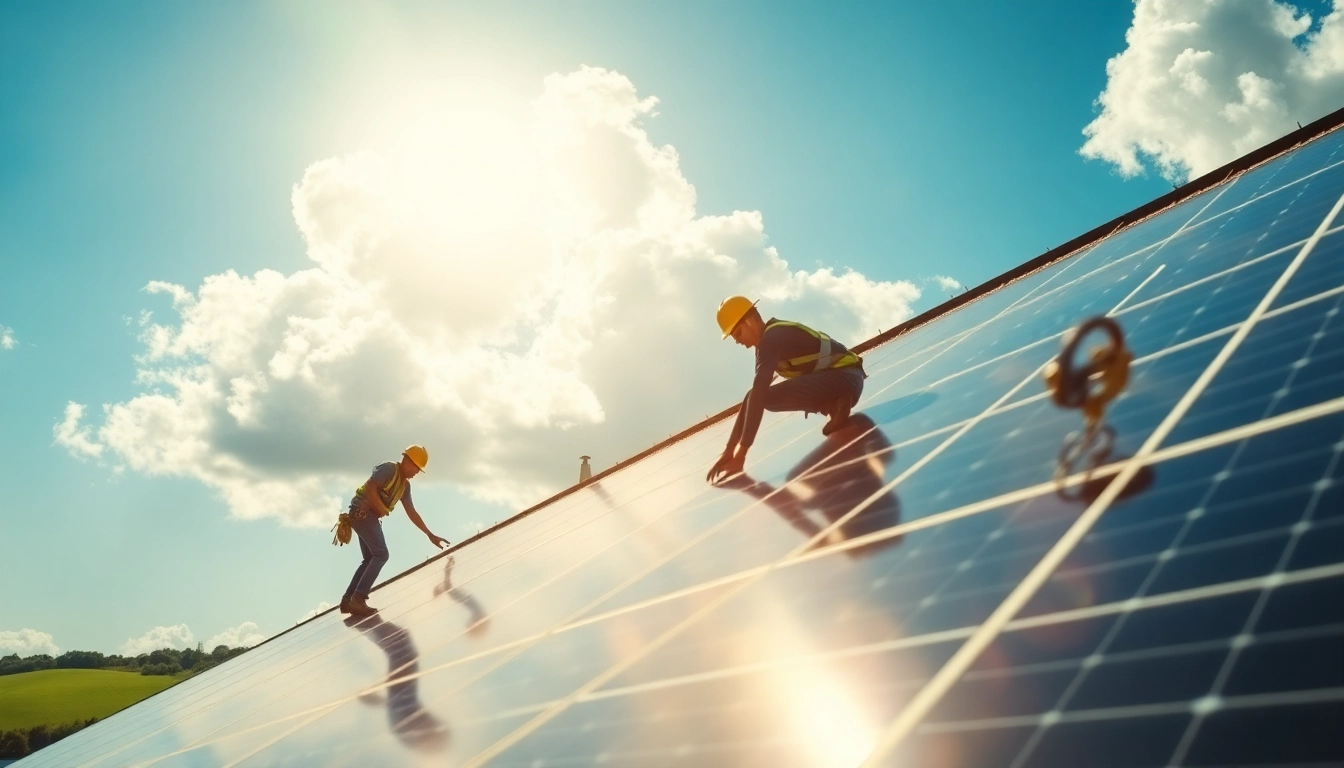
Commercial solar panels are large-scale solar energy systems designed specifically for businesses and commercial establishments. These systems are capable of generating substantial amounts of electricity to meet the energy demands of sizable facilities, such as warehouses, factories, retail stores, and office buildings. Unlike residential solar panels, commercial systems often come with more advanced technology tailored to maximize energy production and efficiency, including higher-capacity inverters and optimized layouts.
Typically made up of multiple solar photovoltaic (PV) modules, commercial solar panels convert sunlight into electricity using the photovoltaic effect. This means they have no moving parts, require minimal maintenance, and offer a reliable and sustainable source of energy. Additionally, the installation of solar panels enables businesses to reduce their fossil fuel dependency and contributes to a greener environment.
Key Benefits for Businesses in Derby
Businesses in Derby can reap numerous benefits from adopting commercial solar panels. Here are some of the pivotal advantages:
- Cost Savings: Solar panels can significantly reduce electricity costs, allowing businesses to allocate resources elsewhere.
- Tax Benefits and Incentives: Various financial incentives, such as grants and tax credits, are available to encourage businesses to invest in solar energy.
- Energy Independence: By generating their own electricity, businesses can lessen their reliance on the grid and protect themselves from fluctuating energy prices.
- Corporate Responsibility: Companies that adopt green technology can enhance their brand image and meet sustainability goals, improving their public perception.
- Long-term Investment: Solar panels typically have a lifespan of 25 years or more, providing a long-term solution that can yield considerable financial returns.
How Commercial Solar Works
The operation of a commercial solar panel system is relatively straightforward. Here's how it typically works:
- Sunlight Absorption: Solar panels capture sunlight and convert it into direct current (DC) electricity.
- Inverter Conversion: An inverter converts DC electricity to alternating current (AC) electricity, which is compatible with most business's electrical systems.
- Energy Usage: The AC electricity powers appliances and equipment in the facility, while any excess energy can be sent back to the grid or stored for later use.
- Monitoring System: Many systems come with a monitoring setup that allows businesses to track energy production and savings in real-time.
Cost Analysis of Commercial Solar Panels in Derby
Average Installation Costs
The cost of installing commercial solar panels in Derby can vary widely based on several factors, including system size, type of panels used, and site conditions. On average, the installation cost for commercial solar panels ranges from £1,000 to £1,500 per installed kW. This translates to a total cost between £10,000 and £150,000 for a typical installation. Factors that can influence costs include:
- System Size: The larger the system, the higher the total cost, but generally, per-Watt costs decrease on larger installations due to economies of scale.
- Panel Quality: High-efficiency panels may have higher upfront costs but can yield better performance and long-term savings.
- Installation Complexity: Roof type and condition, as well as ground conditions, can impact installation costs.
Financial Incentives and Rebates
Various incentives are available to help businesses reduce the financial burden of transitioning to solar energy. Some of these include:
- Feed-in Tariff (FiT): This scheme pays businesses for the energy they generate and feed back into the grid.
- Renewable Energy Guarantees of Origin (REGO): By generating renewable energy, businesses can earn certificates that can be sold for additional revenue.
- Capital Allowances: Specific tax incentives may allow businesses to deduct the cost of solar panel installations from their taxable profits.
Return on Investment and Savings
One of the most compelling reasons to invest in commercial solar panels is the significant return on investment (ROI). Typically, businesses can expect an ROI period of 5 to 10 years, after which the savings on electricity bills and any revenue generated from selling excess energy can lead to substantial profit margins. Factors that contribute to a favorable ROI include:
- Electricity Rates: Higher electricity rates will typically yield faster paybacks due to larger savings.
- Government Incentives: Utilizing available financial incentives can offset initial costs and improve ROI.
- System Efficiency: Choosing high-efficiency panels and quality installation are key to maximizing long-term savings.
Choosing the Right Provider for Commercial Solar Panels in Derby
What to Look for in a Solar Installation Company
Selecting the right solar installation provider is crucial to ensure a quality installation and satisfactory support throughout the system's lifespan. Here are key factors to consider:
- Experience and Expertise: Look for companies with a proven track record in commercial solar installations, preferably in the Derby area.
- Certifications and Accreditations: Ensure the company has appropriate industry certifications, such as MCS accreditation in the UK.
- Warranty and Support: A reputable provider should offer comprehensive warranties on both panels and installation, alongside continued support.
Questions to Ask Potential Installers
Before finalizing a solar installation provider, businesses should ask pertinent questions to gauge their capabilities and service quality:
- What installations have you completed in the Derby area similar to my project?
- Can you provide references or case studies of previous clients?
- What components do you use, and are they backed by warranties?
- What does your installation timeline look like?
- How do you handle maintenance and support post-installation?
Comparing Local Competitors
When choosing a provider, it's wise to compare multiple local companies. Consider reviewing their customer reviews, checking online presence, and reading industry publications to get insights into their reputability and performance. By comparing estimates and services, businesses can ensure they select the best fit for their needs.
Installation Process for Commercial Solar Systems
Site Assessment and Planning
The installation process begins with a comprehensive site assessment to determine the optimal location for solar panels. Assessors will analyze factors such as roof orientation, shading, and structural integrity, along with current energy consumption patterns, to design a suitable system. A strategic planning phase is crucial for maximizing energy output and ensuring compliance with local regulations and building codes.
Installation Steps and Timeline
The actual installation of a commercial solar panel system is typically a multi-step process, comprising:
- Preparation and Permitting: Obtain necessary permits and approvals from local authorities.
- Structural Reinforcement: If needed, reinforce the facility’s roof or ground structure to support the panels.
- Panel Installation: Install the panels in designated areas, ensuring proper angles and orientations for maximum sun exposure.
- Inverter and Wiring Setup: Connect the system to inverters and wiring to facilitate electricity flow.
- Final Inspections: Conduct inspections to ensure system safety and compliance with regulations.
The full timeline for installation can vary from a few days to several weeks, depending on system complexity and the permitting process duration.
Post-Installation Support and Maintenance
Once the installation is completed, the relationship with the solar provider should continue. Regular maintenance checks and monitoring systems are essential to maintain optimal performance. Most firms offer ongoing maintenance packages that include:
- Routine Inspections: Checking for debris buildup, panel integrity, and performance efficiency.
- Monitoring Systems: Utilizing tech to alert owners of performance issues.
- Cleaning Services: Ensuring panels are cleaned to function efficiently, especially in areas with high dust or bird activity.
Future of Commercial Solar Energy in Derby
Trends and Innovations in Solar Technology
The future of commercial solar energy is bright, with continual advancements in solar technology and energy storage solutions. Innovations like bifacial solar panels, which capture sunlight from both sides, and improved battery storage options are enhancing efficiency and effectiveness. Moreover, the rise of smart solar technology and IoT integrations are helping businesses manage energy consumption more intelligently.
Long-Term Environmental Impact
Transitioning to solar energy significantly lowers a business’s carbon footprint, contributing to a reduction in greenhouse gases. As more enterprises in Derby choose solar, the collective impact encourages a shift towards renewable energy, ultimately leading to cleaner air and sustainability in the region.
How Derby Businesses Can Stay Competitive
Businesses that adopt commercial solar panels position themselves ahead of their competitors by capitalizing on energy savings, government incentives, and enhanced public perception. With a growing emphasis on sustainability, implementing solar technology not only ensures compliance with environmental regulations but also opens avenues for innovative business practices that resonate with eco-conscious customers.
In conclusion, adopting commercial solar panels in Derby not only contributes to a business’s bottom line but also aligns with global movements towards cleaner energy solutions. By understanding the intricacies of solar technology and selecting the right service provider, Derby-based businesses can embark on their journey towards energy independence and environmental responsibility.