Introduction to Structural Steel Welding
Structural steel welding is a critical aspect of the construction and manufacturing industries, where metal components are joined to create robust, durable structures. Whether constructing skyscrapers, bridges, or machinery, effective welding techniques ensure the integrity and longevity of these structures. Understanding the nuances of structural steel welding, including its applications, benefits, and techniques, is essential for professionals in the field. This article delves into the core elements of structural steel welding, providing insights and practical information to enhance your knowledge and practices in this vital area. For more details and resources, you can explore structural steel welding.
Understanding Structural Steel Welding
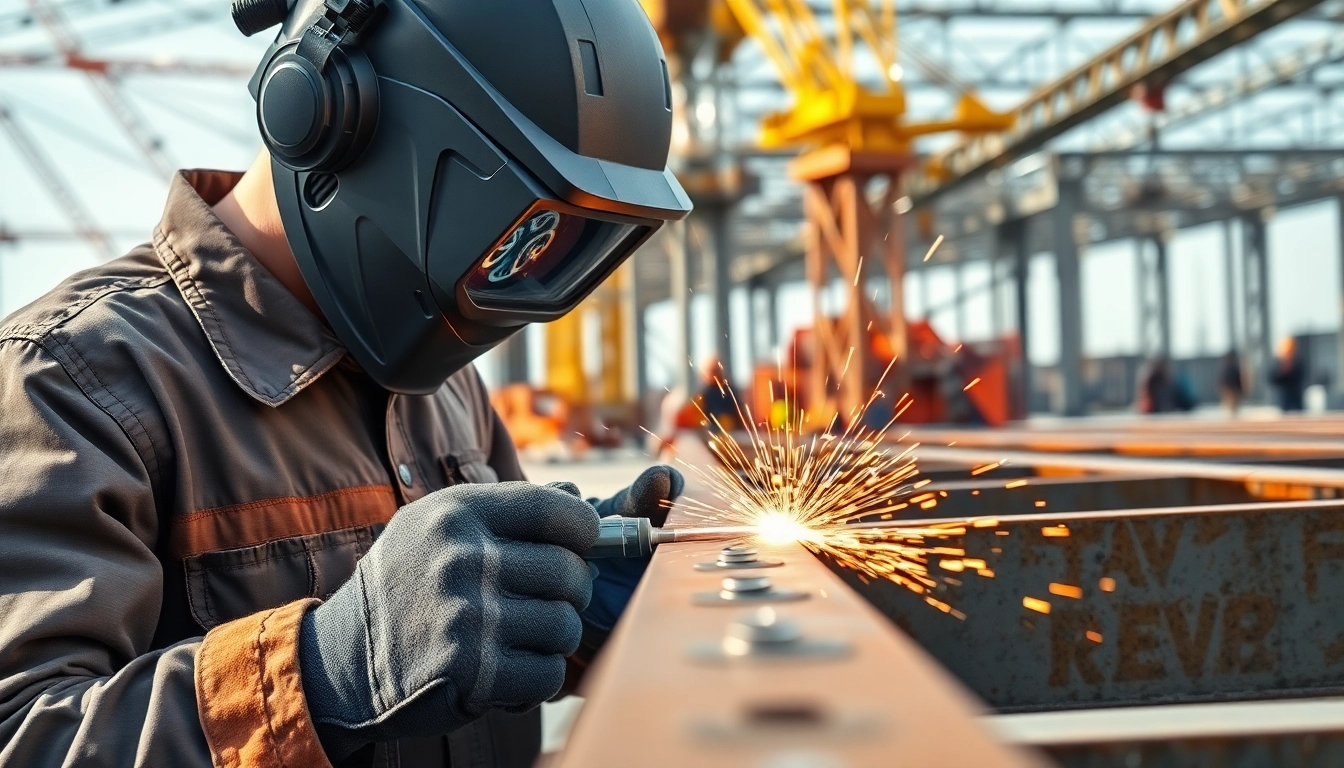
At its core, structural steel welding is the process of fusing steel components together using various welding techniques. This method is vital due to the versatility and strength of steel, which is widely used in structural engineering. The process involves the application of heat to melt the metal, allowing it to bond as it cools and solidifies. Various welding methods are employed depending on the application, materials involved, and specific requirements of the project.
Common Applications in Construction
Structural steel welding finds application across various construction segments, including:
- Buildings: From residential homes to commercial skyscrapers, welding is used to create load-bearing frames that support structures.
- Bridges: Steel welding ensures the stability and endurance of bridges, enabling them to withstand heavy vehicles and weather conditions.
- Industrial Facilities: Factories and plants require robust steel structures for machinery mounts, conveyors, and safety barriers.
- Infrastructure Projects: Includes roads, railways, and airports where steel structures are critical for safety and capacity.
Benefits of Effective Welding Techniques
Employing effective welding techniques offers numerous benefits, including:
- Strength and Durability: Properly executed welds create strong joints that can withstand high levels of stress and strain.
- Cost-Effectiveness: Reducing the need for additional fasteners and reinforcing materials can lower overall project costs.
- Speed of Construction: Efficient welding processes accelerate construction timelines, allowing projects to be completed more quickly.
- Design Flexibility: Welding allows for creative and innovative designs that traditional construction methods may not accommodate.
Key Welding Techniques for Structural Steel Welding
Shielded Metal Arc Welding (SMAW)
SMAW, commonly known as stick welding, is one of the oldest and most widely used welding techniques in structural steel applications. This method involves the use of a consumable electrode coated in flux. When electricity flows through the electrode, the flux vaporizes to form a shielding gas, protecting the molten weld pool from contaminants. SMAW is favored for its simplicity, portability, and effectiveness in various positions and environments.
Gas Metal Arc Welding (GMAW)
Also known as MIG welding (Metal Inert Gas), GMAW utilizes a continuous wire feed as an electrode, which is melted and deposited into the weld joint. An inert gas, such as argon or helium, protects the weld from oxidation and contamination. This technique is known for its speed and efficiency, making it suitable for high-production environments. GMAW is particularly advantageous for thin-walled materials due to its precision and control over heat input.
Flux-Cored Arc Welding (FCAW)
FCAW is a versatile technique similar to GMAW but uses a tubular wire filled with flux. This process can be performed with or without shielding gas, making it adaptable to outdoor environments. FCAW is particularly effective for thicker materials and vertical positions, making it a preferred choice for heavy industrial applications. The flux core generates its shielding gas, providing further protection against contamination.
Challenges Faced in Structural Steel Welding
Heat Management and Distortion
Controlling heat input during the welding process is crucial, as excessive heat can lead to distortion and warping of the structural elements. Distortion occurs when different sections of the material expand and contract unevenly, potentially compromising the integrity of the weld. Employing preheating techniques and maintaining proper welding parameters can mitigate these issues.
Material Compatibility Issues
Different grades of steel and other metals have varying melting points and chemical compositions, posing a challenge when welding dissimilar materials. Understanding material compatibility is essential to selecting appropriate filler materials and welding techniques. Engineers should conduct thorough material assessments to ensure suitable welding processes are employed, preventing defects, and ensuring structural reliability.
Ensuring Structural Integrity and Safety
Weld quality directly impacts the safety of a structure. Poor welds can result in catastrophic failures. Employing standardized welding practices, conducting thorough inspections, and adhering to industry codes and regulations is essential for maintaining structural integrity. Certifications such as AWS D1.1 reinforce the importance of quality in structural steel welding.
Best Practices for Successful Structural Steel Welding
Pre-Welding Preparations and Techniques
Successful welding begins long before the weld itself. Proper preparations include:
- Joint Design: Proper joint designs considering loading conditions can significantly enhance weld strength.
- Cleaning Materials: Ensure that surfaces are free of rust, oil, moisture, or other contaminants that could affect weld quality.
- Preheating: In some cases, preheating the base material can reduce the risk of cracking and improve flow characteristics during welding.
Post-Welding Inspection and Testing
Inspection and testing are critical to verifying weld quality. Common methods include:
- Visual Inspection: A preliminary check that can catch obvious defects such as cracks or undercut.
- Non-Destructive Testing (NDT): Techniques such as ultrasonic testing or radiography to detect internal flaws without damaging the structure.
- Tensile Testing: Analyzing the weld strength through controlled stress applications to ascertain the weld’s capacity under load.
Continuous Training for Welders
With ever-evolving technologies and methodologies in welding, continuous training is essential for welders. Keeping abreast of the latest practices, techniques, and equipment ensures welders maintain the highest quality standards and improve skills. Participation in workshops, certifications, and hands-on training can significantly enhance a welder's capabilities, contributing to overall structural integrity.
Future Trends in Structural Steel Welding
Automation and Robotic Welding Technologies
The construction and manufacturing sectors are witnessing a rapid integration of automation and robotic technologies. Robotic welding systems significantly enhance precision and efficiency, minimizing human error while increasing production rates. These technologies are particularly effective in repetitive tasks, bringing consistency to weld quality and reducing labor demands for skilled welders.
Sustainability in Welding Practices
Sustainable welding practices are becoming a priority in response to environmental concerns. This includes implementing efficient energy usage during welding and utilizing eco-friendly materials. Companies are exploring greener welding processes, reducing waste, and optimizing resource management to align with sustainability goals while ensuring that structural performance remains uncompromised.
Emerging Materials and Methods
As technology advances, new materials such as high-strength steels and composites are being developed, which require unique welding approaches. This evolution is pushing the limits of traditional welding methods and necessitating the adaptation of existing techniques or the development of new ones. Staying informed about these emerging trends will be essential for professionals engaged in the structural steel welding field to maintain competitive advantage and ensure quality.