Understanding Structural Steel Welding
Definition and Importance of Structural Steel Welding
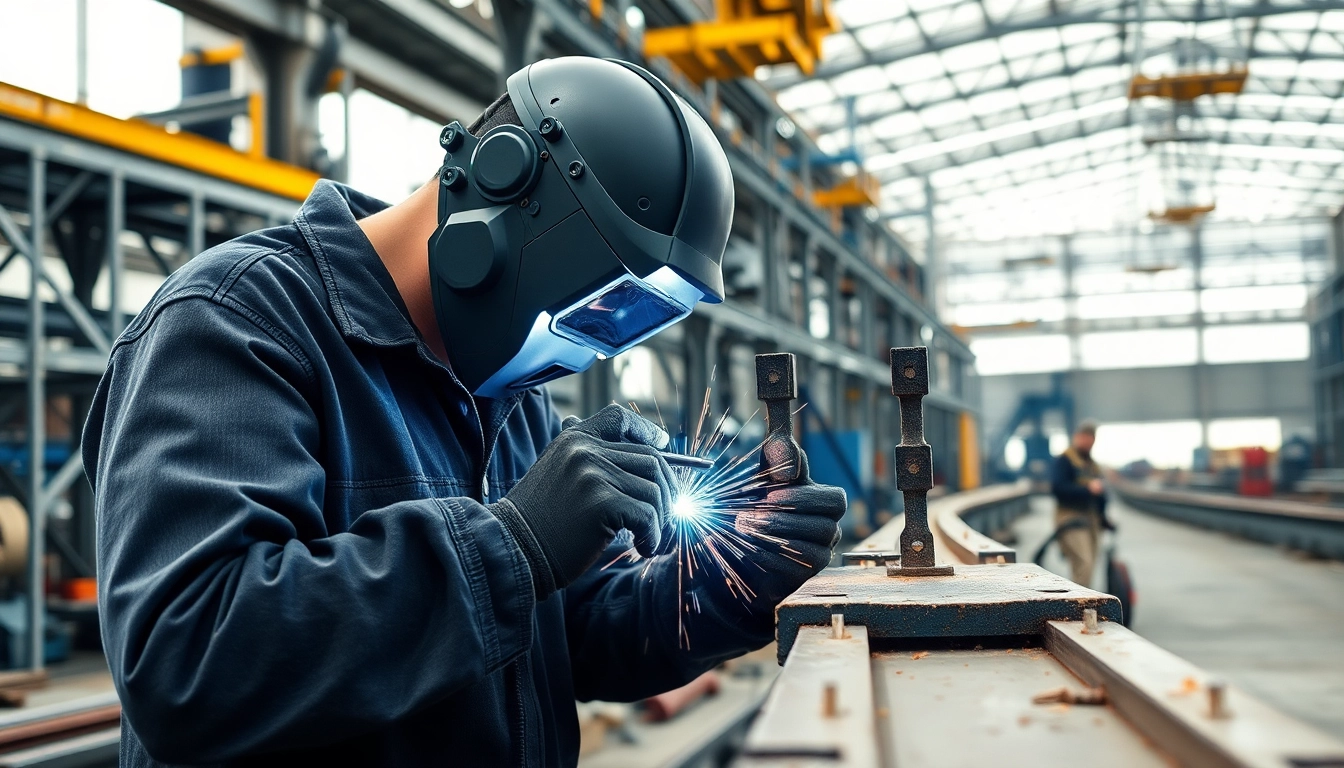
Structural steel welding is the process of joining metal pieces using heat and/or pressure, forming strong and durable connections crucial for various construction and manufacturing applications. This welding technique is essential in constructing buildings, bridges, and other infrastructure since it ensures structural integrity under loads, stress, and environmental conditions. Given the significant role structural steel plays in our built environment, understanding the nuances of structural steel welding becomes paramount for engineers, architects, and contractors.
Welding not only enhances the physical properties of structural steel but also contributes to the efficiency of the construction process. For example, welded joints are often quicker to execute than bolted connections, reducing labor time and costs. Moreover, welded structures can be designed to withstand extreme conditions, providing safety to occupants and functionality in end-use applications.
Types of Welding Techniques in Heavy Industry
In heavy industry, several welding techniques are employed to meet diverse specifications and material requirements. Each welding process has distinct qualities and is suitable for different steel grades and project demands:
- Gas Metal Arc Welding (GMAW): Also known as MIG welding, GMAW is favored for its speed and versatility, making it suitable for thin to medium-thick materials.
- Tungsten Inert Gas (TIG) Welding: Known for its precision, TIG welding is often used for stainless steel and non-ferrous metals due to its clean and controllable welds.
- Shielded Metal Arc Welding (SMAW): Commonly known as stick welding, SMAW is utilized in various industrial applications due to its simplicity and effectiveness in outdoor environments.
- Flux-Cored Arc Welding (FCAW): Similar to GMAW, FCAW uses a tubular wire filled with flux, providing better penetration and making it suitable for a range of materials.
Key Techniques for Effective Structural Steel Welding
Gas Metal Arc Welding (GMAW) Explained
GMAW, or Metal Inert Gas (MIG) welding, is one of the most commonly used welding processes in the structural steel industry. It utilizes a continuous fed wire electrode and an inert gas, typically argon, to shield the weld area from contaminants. Its popularity can be attributed to:
- Speed: The continuous feed of the wire allows for quicker weld completion, maintaining high productivity rates.
- Ease of Use: GMAW is relatively easy to learn, making it an ideal choice for beginners entering the welding field.
- Quality of Welds: It delivers consistent and high-quality welds with less spatter, resulting in a cleaner finish.
Application-wise, GMAW can be employed for a variety of metallurgical compositions, including mild steel and aluminum, making it versatile across numerous projects.
Tungsten Inert Gas (TIG) Welding: Advantages and Applications
TIG welding is known for producing high-quality, clean, and precise welds. It employs a non-consumable tungsten electrode to generate an electric arc and produces a weld pool, making it particularly advantageous for:
- Thin Materials: Its low heat input allows for precise control, making it ideal for thin walled materials and applications requiring meticulous work.
- Versatility: This technique can weld a variety of metals, including stainless steel and aluminum, and is often used in industries like aerospace and automotive.
- Control: Welders can manipulate both the heat and filler material addition, providing the ability to achieve the desired weld profile.
Shielded Metal Arc Welding (SMAW) Best Practices
As one of the oldest welding techniques, SMAW is widely used for its robustness and simplicity. Best practices for employing SMAW include:
- Electrode Selection: Choose the right electrode based on the material composition and the intended application to ensure optimal fusion.
- Proper Work Angle: Maintain a consistent work angle to enhance weld quality and penetration.
- Preheat the Material: For thicker materials, preheating can help reduce the risk of cracking and improve weld penetration.
By following these best practices, welders can enhance their SMAW techniques and deliver quality results consistently across different projects.
Choosing the Right Equipment for Structural Steel Welding
Essential Welding Gear and Tools
Choosing the right tools and equipment is vital for successful structural steel welding. Key essentials include:
- Welding Machine: Select a machine that is compatible with your preferred welding technique (GMAW, TIG, or SMAW), ensuring it meets power and output specifications.
- Protective Gear: Sufficient protective clothing, helmets with appropriate filters, gloves, and face shields are necessary to safeguard the welder from hazards.
- Material Preparation Tools: Hand tools like grinders, chisels, and saws are critical for preparing the edges of materials to ensure a quality weld joint.
Welding Machines: Selection Criteria and Recommendations
When it comes to selecting a welding machine, several criteria must be considered:
- Power Requirements: Choose a machine that can handle the thickness and type of materials you plan to work with.
- Portability: Depending on job locations, consider whether you need a portable unit or if a stationary machine is more appropriate.
- Functionality: Many contemporary machines offer multi-process capabilities, meaning they can perform various welding types, such as GMAW and TIG.
For beginners, a multi-process machine can be an excellent investment, allowing room for learning and growth throughout various welding techniques.
Maintenance and Care for Welding Equipment
Regular maintenance of welding equipment enhances its longevity and performance. Key maintenance tips include:
- Cleaning: Regularly clean your welding gun, nozzle, and contacts to ensure uninhibited flow of electricity and shielding gas.
- Inspection: Regularly inspect cables and connectors for wear and tear to prevent electrical hazards and ensure reliable operation.
- Storage: Properly store your equipment in a dry environment to prevent corrosion and damage.
Common Challenges in Structural Steel Welding
Identifying and Rectifying Weld Defects
Weld defects can severely compromise structural integrity. Common welding defects include:
- Porosity: Small cavities or pores in welds that can occur due to contamination of the filler material or the base material.
- Cracking: Often caused by rapid cooling or residual stress, cracking can be inspected through visual examinations and non-destructive testing methods.
- Undercutting: Occurring when the weld metal does not adequately fill the joint, leading to a weakened area.
Rectifying these defects usually involves reworking the area, employing suitable repair techniques, and ensuring rigorous quality inspections are in place throughout the welding process.
Overcoming Environmental and Material Challenges
Environmental factors such as temperature, humidity, and wind can significantly impact structural steel welding. To mitigate these issues, welders should:
- Control Heat Input: Utilize preheating methods and post-weld heat treatment to overcome issues arising from low ambient temperatures.
- Choose Appropriate Filler Materials: Select filler materials that are compatible with the base metals and environmental conditions to reduce the risk of defects.
- Implement Windbreaks: Use barriers to shield the weld area from wind and other environmental factors during the welding process.
Skills Development for Welders: Training and Certification
Professional development through training programs and certification ensures that welders are up-to-date with the latest techniques, safety protocols, and industry standards. Key aspects include:
- Certifications: Obtaining certifications from recognized institutions (such as AWS or ASME) can validate a welder's skills and enhance employability.
- Continuing Education: Engaging in workshops and courses on advanced welding techniques enables welders to keep pace with evolving technology.
- Hands-On Training: Practical experience through internships and apprenticeships is invaluable in honing the skills necessary for quality welding.
Evaluating Performance and Quality in Welding Projects
Testing and Inspection Methods for Welds
Welding quality assurance is critical to ensuring safety and longevity. Common methods for inspecting welds include:
- Visual Inspection: A preliminary step to identify surface defects, legibility of weld bead, and overall aesthetics.
- Non-Destructive Testing (NDT): Techniques such as ultrasonic, X-ray, and magnetic particle testing help identify internal defects without damaging the weld.
- Destructive Testing: Sample welds can be subjected to stress tests to assess their load-bearing capacity and overall durability.
Performance Metrics for Structural Steel Welding
Key performance metrics provide insights into the efficiency of the welding processes:
- Weld Strength: Measured against industry standards and specifications, ensuring that the weld can handle designated loads.
- Efficiency: Evaluated by measuring the time taken to complete welds relative to the output quality; enhancements here can often yield time and cost savings.
- Defect Rates: Tracking the number and type of weld defects over time allows companies to adjust processes and training to reduce error rates.
Case Studies: Successful Applications in Industry
Industry case studies can showcase the effective application of structural steel welding. For example:
- Bridge Construction: In a large-scale bridge project, diligent attention to welding practices minimized the failure rate of weld joints, ultimately leading to a safer, more durable structure.
- Skyscraper Projects: Implementing TIG welding for high-stress components of skyscraper frameworks has been proven to enhance load characteristics and minimize oscillation in high winds.
- Manufacturing Facilities: By employing effective pre- and post-weld treatments, factories reported significant reductions in material wastage and repair time.
Through these detailed evaluations and best practices, the importance of mastering structural steel welding remains clear. By investing in proper techniques, equipment, and training, stakeholders in heavy industry can ensure that their projects meet stringent safety and performance standards, creating structures that will stand the test of time.