Understanding Machined Stainless Steel Parts
Machined stainless steel parts have become an essential component across various industries due to their durability and versatility. With advancements in manufacturing technologies and the rise of CNC machining, these parts are more accessible and customizable than ever before. As industries evolve, the demand for high-quality, precision-engineered components continues to escalate, making it crucial for manufacturers to understand the intricacies of working with stainless steel. When exploring options, machined stainless steel parts offer comprehensive insights into both the benefits and challenges associated with the material.
What Are Machined Stainless Steel Parts?
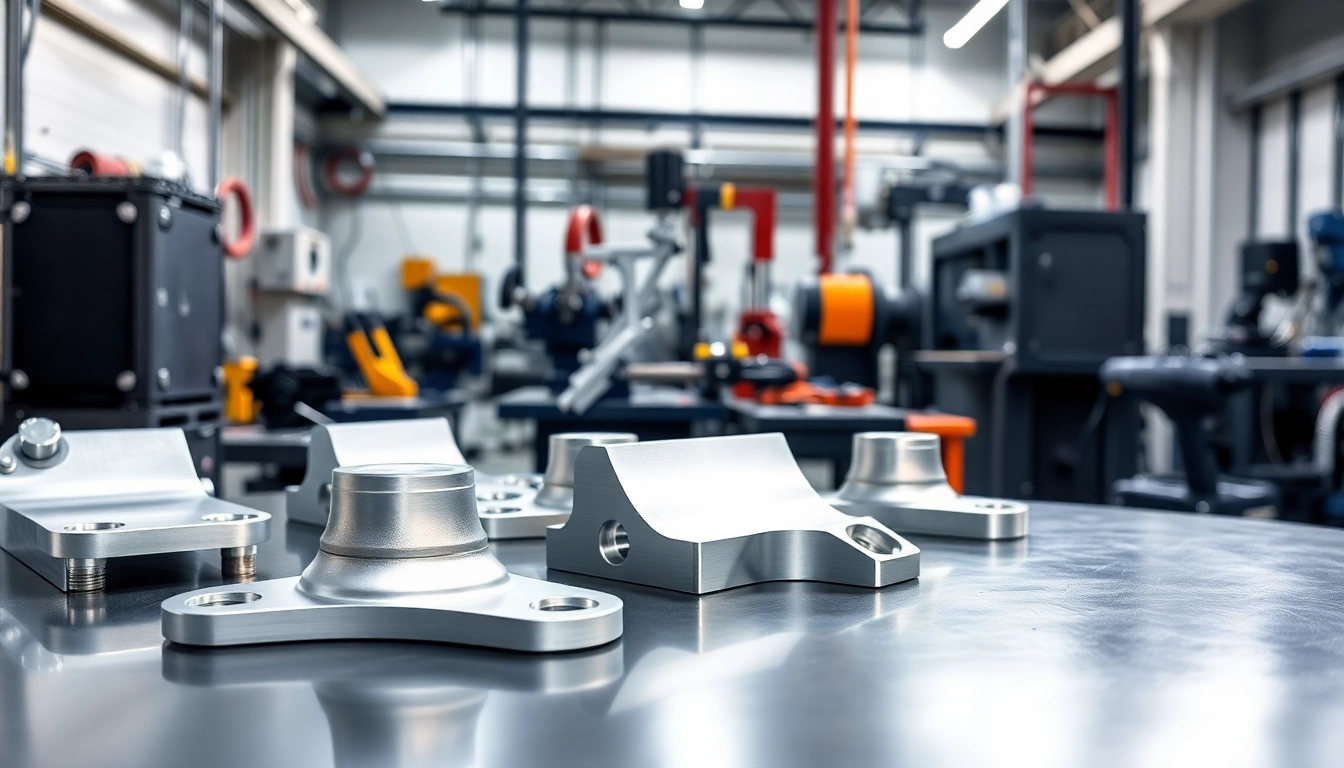
Machined stainless steel parts are components manufactured from stainless steel using various machining processes, such as CNC machining, turning, and milling. The process typically involves removing material from a solid block of stainless steel to create specific shapes and designs. These parts are renowned for their excellent mechanical properties, including corrosion resistance, strength, and aesthetic appeal. Common grades used in machining include 304 and 316 stainless steel, each suited for different applications based on their unique characteristics.
Importance of Material Selection in Machining
Selecting the right material is critical when manufacturing machined parts. Stainless steel is favored in many industries due to its resistance to corrosion and oxidation, making it ideal for applications in harsh environments. The choice between different grades of stainless steel can impact the performance and longevity of the component, with 304 stainless steel being versatile and well-rounded, while 316 stainless steel offers enhanced resistance to corrosive elements. Understanding the specific requirements of the application, along with the machining capabilities of the chosen material, plays a pivotal role in ensuring optimal performance.
Key Applications Across Industries
Machined stainless steel parts find their application in a multitude of sectors, including:
- Aerospace: Precision components that withstand extreme conditions.
- Medical Devices: Components that require high cleanliness and biocompatibility.
- Automotive: Parts that require durability and resistance to wear.
- Food Processing: Components that meet stringent hygiene standards.
- Manufacturing Equipment: Tools and components that need to handle heavy usage.
Advantages of Using Machined Stainless Steel Parts
Corrosion Resistance and Durability
One of the primary advantages of utilizing machined stainless steel parts is their remarkable corrosion resistance. This property allows stainless steel to maintain its integrity and appearance even in the presence of moisture, chemicals, and other corrosive elements. Durability is another key aspect; stainless steel components are designed to endure significant wear and tear, making them suitable for high-stress applications. This longevity translates to less frequent replacements and lower maintenance costs over time.
Enhanced Mechanical Properties
Stainless steel is known for its excellent mechanical properties, including tensile strength and flexibility. Machined stainless steel parts can be engineered to meet precise specifications, ensuring they perform reliably under various load conditions. This adaptability is particularly crucial in industries where safety and performance standards are stringent. Moreover, the ability to create intricate designs while maintaining structural integrity is a significant benefit, enabling manufacturers to innovate and differentiate their products.
Cost-Effectiveness in Production
Although the initial costs of stainless steel parts can be higher than those made from other materials, their longevity and low maintenance requirements often result in a lower total cost of ownership. Additionally, advancements in CNC machining technologies have made the production of machined stainless steel parts more efficient, reducing waste and leading to cost savings. This efficiency allows manufacturers to offer competitive pricing while maintaining high-quality standards.
Best Practices for Machining Stainless Steel Parts
Choosing the Right CNC Equipment
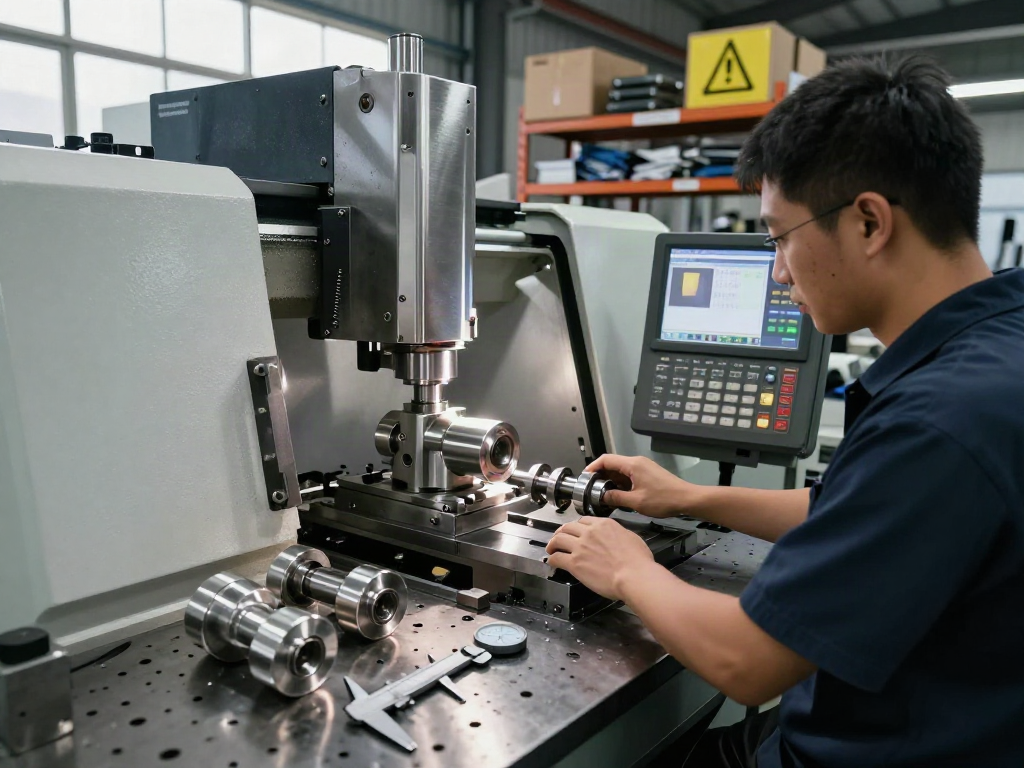
When machining stainless steel, selecting the appropriate CNC equipment is vital for achieving precision and efficiency. High-speed machining centers equipped with advanced tooling can make a significant difference in production times and quality. Operators should prioritize machines that offer robust control over feed rates, spindle speeds, and tool movements, which can greatly affect the finish and tolerances of the final product.
Optimizing Tooling and Techniques
Tool selection and machining techniques directly influence the quality of machined stainless steel parts. Using high-performance cutting tools designed for stainless steel can minimize tool wear and improve surface finish quality. Techniques such as proper coolant application and optimal cutting speeds should be employed to enhance the machining process, ensuring that the parts are produced efficiently without compromising quality.
Quality Control and Assurance Standards
Implementing stringent quality control measures throughout the machining process is essential for ensuring the reliability of stainless steel parts. This includes regular inspection of raw materials, in-process monitoring, and final product testing against established specifications. Adopting quality assurance standards, such as ISO 9001, can help manufacturers maintain consistent quality and meet customer expectations.
Challenges in Machining Stainless Steel Parts
Common Difficulties and Misconceptions
Despite the advantages, machining stainless steel presents several challenges. Common misconceptions, such as stainless steel being difficult to machine, can deter manufacturers from leveraging its benefits. In reality, with the right tools and techniques, stainless steel can be machined efficiently. However, challenges like work hardening—where the material becomes harder as it is machined—can complicate the process if not managed correctly.
Material-Specific Issues in CNC Machining
Different grades of stainless steel exhibit unique machining characteristics. For example, while 304 stainless steel is more machinable, 316 stainless steel requires specific tooling and feeds due to its higher nickel and molybdenum content. Understanding these nuances is crucial for manufacturers to avoid common pitfalls and optimize machining processes.
Dealing with Tolerances and Specifications
A critical aspect of machining stainless steel parts is maintaining tight tolerances and specifications. The high strength of stainless steel requires precise machining setups to achieve the desired dimensions. Utilizing advanced CNC technology and regular calibration can mitigate issues related to tolerances, ensuring parts meet rigorous industry standards.
Future Trends in Machined Stainless Steel Parts
Emerging Technologies in CNC Machining
As the demand for machined stainless steel parts continues to grow, emerging technologies in CNC machining are set to revolutionize the industry. Developments such as additive manufacturing, hybrid machining processes, and intelligent automation are paving the way for increased efficiency and innovation. These technologies not only enhance production capabilities but also allow for customization and rapid prototyping, leading to better service for customers.
Sustainability and Eco-Friendly Practices
With an increasing focus on sustainability, manufacturers are seeking eco-friendly practices in the machining of stainless steel. This includes adopting green machining techniques that reduce energy consumption and waste generation. Utilizing recyclable materials and implementing closed-loop systems are vital steps towards minimizing the environmental impact of manufacturing processes.
Market Trends and Predictions for 2026
Looking ahead to 2026, the market for machined stainless steel parts is expected to witness significant growth. Factors such as the expansion of the aerospace and medical sectors, along with the rising demand for high-performance components, are driving this trend. Manufacturers must stay ahead by investing in technology and workforce training to meet the evolving needs of these industries.
What Innovations to Watch for?
Innovation in the field of machining is constant, with several trends emerging on the horizon. The integration of Artificial Intelligence (AI) for predictive analysis in manufacturing processes, advancements in CNC automation, and the use of Machine Learning for quality control are all exciting developments to watch. These innovations will further enhance the efficiency and accuracy of producing machined stainless steel parts.
FAQs About Machined Stainless Steel Parts
How Are Machined Stainless Steel Parts Manufactured?
Machined stainless steel parts are typically manufactured through a series of processes including cutting, milling, grinding, and finishing. The process begins with selecting the appropriate grade of stainless steel, followed by precision machining to achieve the required dimensions and tolerances. Post-machining processes such as surface finishing may also be applied to enhance the part's performance.
What Industries Benefit from Machined Stainless Steel Parts?
Various industries benefit from machined stainless steel parts, including aerospace, medical, automotive, manufacturing, and food processing. Each sector relies on the durability, corrosion resistance, and precision of stainless steel to meet their specific needs and regulatory standards.
Which Stainless Steel Grades Are Most Machinable?
Generally, 304 stainless steel is considered one of the most machinable grades due to its balanced composition. 316 stainless steel, while offering superior corrosion resistance, can be more challenging to machine due to its alloy composition. Other grades, such as 303, have been specifically formulated to enhance machinability.
How to Choose a Supplier for Machined Parts?
When selecting a supplier for machined stainless steel parts, consider factors such as reputation, experience in the industry, capability to meet specifications, and their quality control processes. Additionally, evaluating their customer service and delivery timelines can provide insights into their reliability.
What are the Cost Factors for Machined Stainless Steel Parts?
Several factors influence the cost of machined stainless steel parts, including material costs, machining complexity, tolerances required, and production volumes. Understanding these variables is essential for manufacturers to budget accurately and make informed decisions.