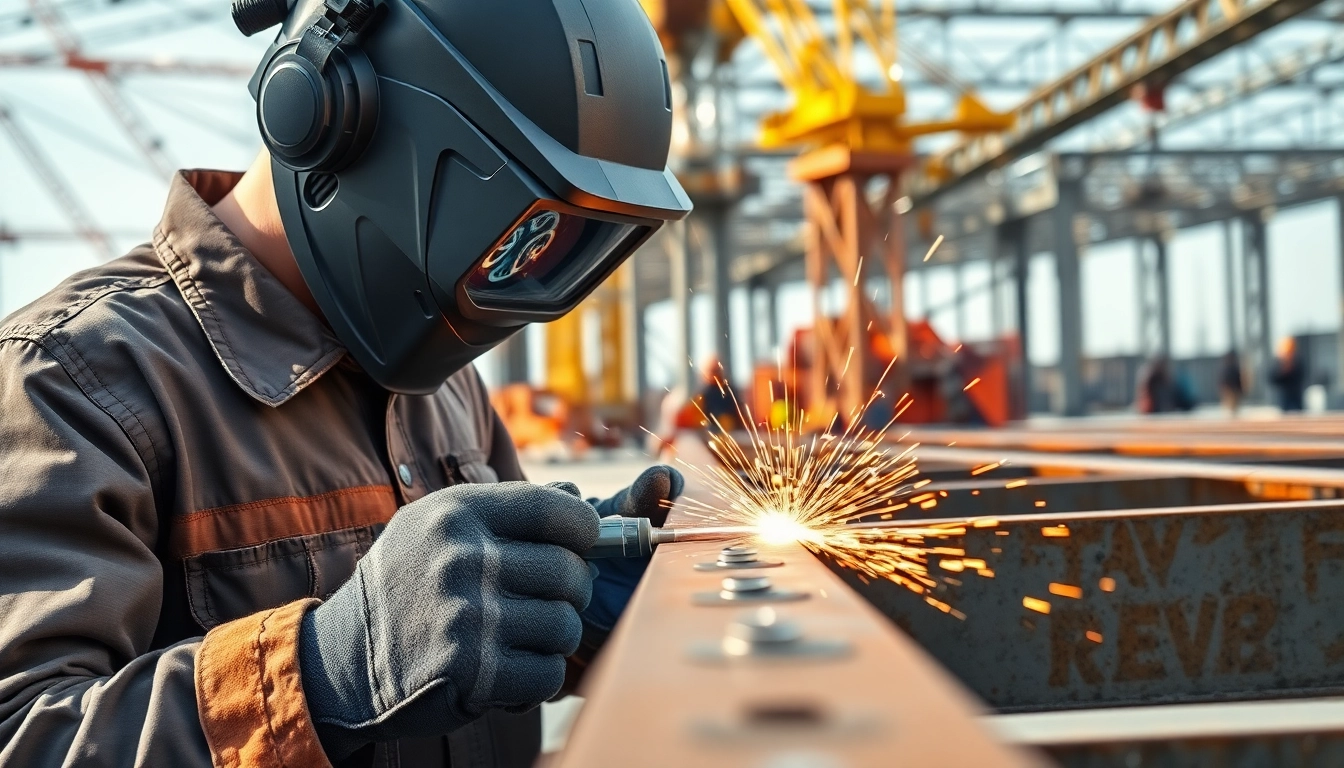
High-Quality Aluminum Prototypes: Elevating Your Manufacturing Process
Understanding Aluminum Prototypes
In the realm of manufacturing and product development, the demand for high-quality prototypes has surged. One such option that stands out is aluminum prototypes, which offer a balance of durability, precision, and versatility. But what exactly are aluminum prototypes, and why are they gaining traction across various industries? This article will delve into the nuances of aluminum prototypes, their applications, benefits, and the technologies involved in their production.
What Are Aluminum Prototypes?
Aluminum prototypes are preliminary models crafted from aluminum, used predominantly to test and validate a design before mass production. The fast-paced nature of modern manufacturing requires quick and effective iterations, making aluminum an ideal choice due to its favorable properties, such as light weight, strength, and ease of machining. These prototypes can be created via various processes, including CNC machining, casting, or additive manufacturing, depending on the specific requirements of the project.
Key Benefits of Using Aluminum Prototypes
Utilizing aluminum prototypes offers multiple advantages:
- Strength-to-Weight Ratio: Aluminum boasts an excellent strength-to-weight ratio, allowing for sturdy designs without unnecessary weight.
- Machinability: Aluminum is easy to machine, making it suitable for precise manufacturing through CNC techniques.
- Corrosion Resistance: Many aluminum alloys exhibit natural resistance to corrosion, prolonging the life of prototypes in various environments.
- Cost-Effectiveness: Aluminum prototyping is often more economical than other metals, leading to lower costs across the production cycle.
Applications in Various Industries
The use of aluminum prototypes spans numerous fields, including:
- Aerospace: Lightweight components are critical in aerospace engineering, making aluminum prototypes essential for testing various parts.
- Automotive: In the automotive sector, aluminum prototypes are used to assess designs for efficiency and performance.
- Consumer Electronics: From casings to internal components, many electronic devices benefit from aluminum prototyping.
- Medical Devices: The medical field often requires precision prototyping to ensure safety and functionality in devices.
Materials Used for Aluminum Prototypes
Different Types of Aluminum Alloys
Not all aluminum is created equal. Several alloys are used in prototyping, each with unique properties suitable for specific applications. Key alloys include:
- 6061 Aluminum: Known for its excellent machinability and weldability, 6061 is a versatile alloy used in various applications.
- 7075 Aluminum: Characterized by its high strength, 7075 is often used in aerospace for structural components.
- 2024 Aluminum: With a high strength-to-weight ratio, 2024 is commonly used for aircraft structures.
The Importance of Alloy Selection
Selecting the right aluminum alloy can significantly impact the performance of a prototype. Factors such as strength, thermal resistance, and ease of machining must be considered when choosing an alloy. Proper alloy selection ensures that the prototype meets the design’s functional requirements, contributing to successful product development.
Comparing Aluminum with Other Prototyping Materials
Aluminum prototypes are often compared to those made from plastics, steel, and other metals. While each material has its advantages, aluminum typically offers:
- Superior Strength: Compared to plastics, aluminum provides greater strength and durability.
- Better Thermal Conductivity: Aluminum excels at heat dissipation compared to most plastics.
- Longer Lifecycle: Aluminum components generally outlast those made of weaker metals or plastics.
Machining Techniques for Aluminum Prototypes
Common Machining Processes
Aluminum prototypes are primarily produced using various machining processes, including:
- CNC Machining: This method offers high precision and can handle complex geometries, making it a preferred choice in prototyping.
- Die Casting: This technique allows for quick production of aluminum parts, ideal for high-volume applications.
- 3D Printing: Increasingly popular, 3D printing enables rapid prototyping of aluminum components, reducing lead times.
Latest Technology in CNC Machining
State-of-the-art CNC machines are revolutionizing the prototyping landscape. They provide:
- Increased Accuracy: Advanced CNC techniques ensure prototypes meet exacting specifications.
- Faster Lead Times: Modern machines operate at high speeds, significantly reducing overall production times.
- Enhanced Automation: Automation features allow for 24/7 operation, optimizing productivity and reducing labor costs.
Best Practices for Effective Machining
To ensure the best outcomes when machining aluminum prototypes, several best practices should be followed:
- Choose the Right Tooling: Use the appropriate cutting tools designed for aluminum to optimize efficiency and extend tool life.
- Optimize Cutting Speeds: Maintain proper cutting speeds to achieve quality finishes and reduce wear on tools.
- Maintain Tool Condition: Regularly inspect and replace tools to prevent defects in prototypes.
Quality Assurance in Aluminum Prototyping
Metrology and Testing Procedures
Ensuring quality in aluminum prototypes involves rigorous metrology and testing. This includes:
- Dimensional Inspection: Use precision measuring tools to ensure parts meet specified dimensions.
- Functional Testing: Prototypes should undergo testing to confirm they meet functional requirements and specifications.
Importance of Tolerance in Prototyping
Tolerances define the allowable variation in dimensions and are critical for ensuring parts fit together as designed. Tight tolerances can lead to better performance in assembled products, while loose tolerances may result in potential failures or reduced functionality.
Strategies for Ensuring Quality
Strategies to guarantee quality include developing thorough documentation processes, regular training for operators, and implementing feedback loops during the prototyping phases to incorporate lessons learned into subsequent designs.
Future Trends in Aluminum Prototyping
Emerging Technologies in Manufacturing
The future of aluminum prototyping lies in emerging technologies. Innovations such as additive manufacturing, hybrid manufacturing techniques, and enhanced CNC technologies are paving the way for faster, more efficient production methods, allowing for even more complex designs to be prototyped quickly.
Environmental Considerations in Prototyping
As sustainability becomes a critical focus, aluminum’s recyclability positions it as a favorable choice for eco-friendly prototyping. Manufacturers are exploring methods to reduce waste and energy consumption during the prototyping process.
The Role of Automation and AI
Automation and artificial intelligence are playing transformative roles in the manufacturing landscape. These technologies can enhance efficiencies in machining processes and improve precision in prototyping, thereby reducing time and costs for aluminum prototypes.
Frequently Asked Questions
Is aluminum a common prototyping material?
Yes, aluminum is frequently used in prototyping due to its machinability, strength, and cost-effectiveness, making it ideal for a variety of applications.
Can aluminum prototypes be 3D printed?
Absolutely, aluminum prototypes can be made using advanced 3D printing technologies, enabling rapid production and complex geometries.
What are the advantages of CNC machining for aluminum prototypes?
CNC machining offers high precision, repeatability, and efficiency, which are critical for producing high-quality aluminum prototypes.
How do I choose the right aluminum alloy for my prototype?
Choosing the right aluminum alloy depends on your requirements for strength, weight, machinability, and corrosion resistance. Understanding the application can guide your choice.
What is the expected lifespan of aluminum prototypes?
The lifespan of aluminum prototypes varies based on usage conditions and design. Generally, properly made aluminum prototypes can last long, especially in non-corrosive environments.