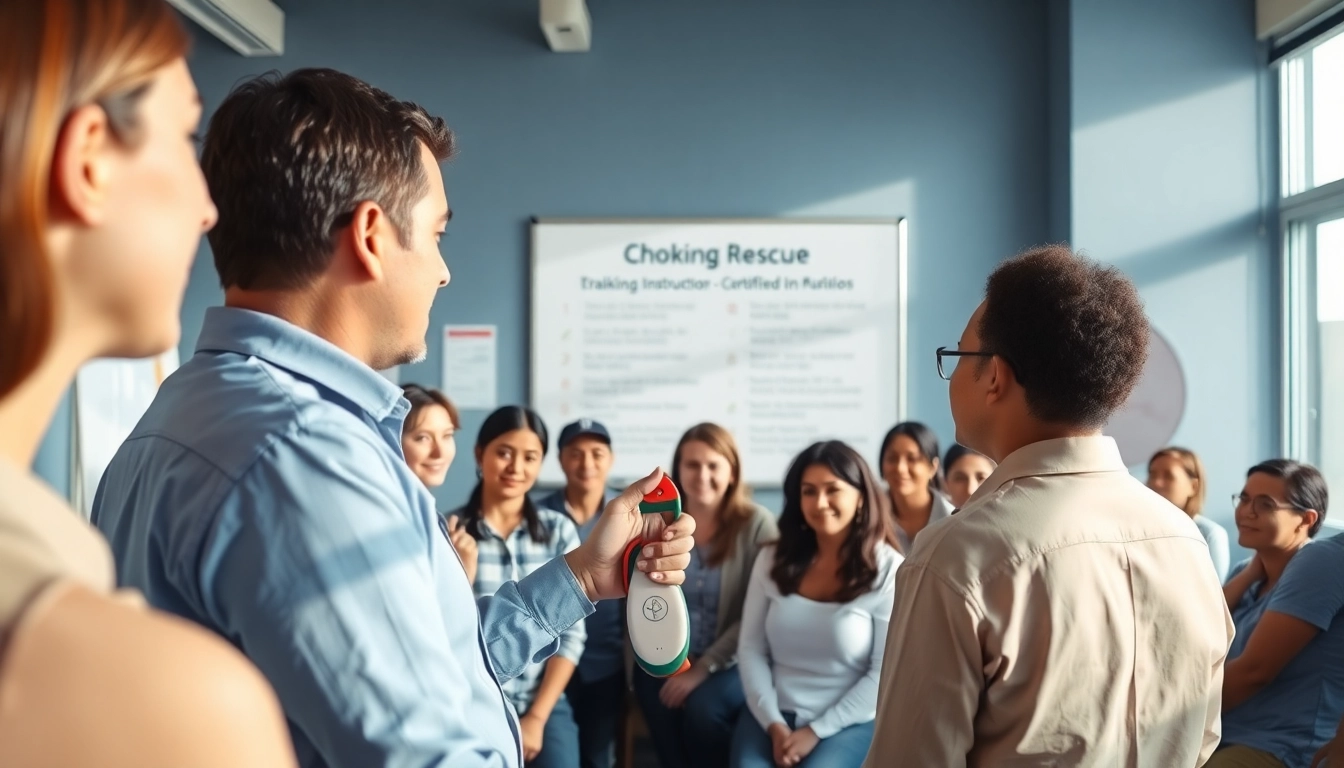
Understanding Choking Rescue Devices
What is a Choking Rescue Device?
A choking rescue device is a specialized tool designed to aid individuals who are experiencing choking emergencies. These devices work by applying a specific method of pressure to help dislodge the obstruction blocking the airway. Unlike traditional methods, such as the Heimlich maneuver, choking rescue devices can be used by individuals who might lack the training or strength to effectively perform these techniques. They are particularly useful in environments where choking incidents are more likely to happen, such as in homes with small children or in restaurants. By providing a means to help in situations where immediate assistance isn’t available, choking rescue devices can save lives.
How Choking Rescue Devices Work
Choking rescue devices function on the principle of creating pressure around the chest and diaphragm. When a choking individual uses the device, it generates an upward thrust that mimics the Heimlich maneuver’s compressive action. Typical devices might include inflatable vests that can be activated manually or automatically upon sensing a choking incident. This proactive design allows bystanders to administer help without needing advanced training, making them accessible to anyone present at the scene.
Types of Choking Rescue Devices Available
The market is flooded with various types of choking rescue devices, each designed with specific features that cater to different needs. The most common types include:
- Manual Devices: These require the user to pull and activate the device to apply pressure.
- Automatic Devices: These are equipped with sensors and can automatically initiate the rescue process when they detect a choking incident.
- Adjustable Vests: These are adjustable to fit individuals of various sizes, making them versatile for use on both adults and children.
The Importance of Choking Rescue Devices in Emergencies
Why Everyone Should Be Prepared for Choking Emergencies
Choking emergencies can occur at any time, often without warning. The statistics surrounding choking incidents highlight the critical need for preparedness. Not only can choking lead to irreversible damage quickly, but the presence of a choking rescue device can drastically improve the outcomes in these dire situations. With proper access to these devices, individuals can feel more equipped to handle emergencies, thus reducing panic and increasing appropriate action.
Statistics on Choking Incidents and Rescue Device Use
In the United States alone, it is estimated that over 4,000 deaths occur annually due to choking, with food being a primary culprit. Children are particularly at risk, with incidents noted in various fast-food outlets and homes. The use of choking rescue devices has been shown to reduce fatal outcomes significantly. According to a study conducted by the National Institute of Health, devices used in conjunction with trained bystanders can increase survival rates by over 20%. This emphasizes the need for community awareness and accessibility of these life-saving devices.
Real-Life Success Stories Using Choking Rescue Devices
Across various communities, there have been multiple success stories where choking rescue devices made the difference between life and death. For instance, in a notable case in a local school cafeteria, a choking incident was averted when a teacher used an automatic rescue device. The situation could have been catastrophic; however, the device's quick response allowed for the timely dislodging of food, saving a student's life. These stories amplify the importance of having such devices readily available in public spaces.
How to Choose the Right Choking Rescue Device
Factors to Consider: Functionality and Usability
When selecting a choking rescue device, several factors should be considered:
- Type of Device: Choose between manual and automatic based on user capability and setting.
- Ease of Use: The device should be straightforward and quick to deploy, even under stress.
- Portability: It should be compact enough for easy storage in homes, restaurants, and schools.
Comparative Overview of Popular Models
Several choking rescue devices dominate the market, each with unique benefits:
- LifeVac: A manual device known for its effectiveness and portability, widely used in homes.
- Dechoker: Another manual choice, known for its simple operation and success rate.
- Choke Assist: The primary automatic device that activates pressure-based rescue with advanced sensors.
The choice largely depends on user preference, as well as specific situational needs in different environments.
Reviewing Recommendations from Experts
Health professionals emphasize the importance of selecting a device that comes with adequate instructions and has proven effectiveness in clinical settings. A review by the American Red Cross suggests that while many devices are marketed as effective, only a few have been scientifically validated. Their recommendations often lean towards well-established brands that have a history of safety and efficacy in real-world situations.
Training & Education on Using Choking Rescue Devices
Finding the Right Training Programs
Understanding how to use a choking rescue device properly is crucial for maximizing its effectiveness. Many organizations, including the American Heart Association and Red Cross, offer training programs designed to educate individuals on choking emergencies and the use of rescue devices. These programs often cover various scenarios and enable participants to practice using the devices under simulated conditions.
Best Practices for Safe Use of Rescue Devices
Safe use of choking rescue devices includes:
- Familiarization with the device's operation prior to a choking incident.
- Regularly checking the device for functionality and expiration of any relevant components.
- Involving all family or community members in training exercises to ensure everyone knows how to respond during an emergency.
Incorporating Training into Community Programs
Community outreach is key in educating the public on choking risks and the use of rescue devices. Initiatives can include local workshops, free training sessions, and distribution of materials that highlight how to use these devices effectively. Schools, childcare centers, and community centers should proactively include this education in their health programs to ensure a broad understanding among the public.
Enhancing the Effectiveness of Choking Rescue Devices
Regular Maintenance and Updated Training
To maintain the effectiveness of choking rescue devices, regular inspections and updates are necessary. This includes ensuring devices are in good working order, practicing with them periodically, and attending refresher training courses. Such practices significantly improve the chances of successful emergency intervention.
Community Awareness and Educational Campaigns
Raising awareness about choking risks can lead to increased use of rescue devices in high-risk situations. Local health departments and community organizations should partner to conduct educational campaigns emphasizing the seriousness of choking and the importance of rescue devices. Such campaigns could involve presentations at schools, free community or online workshops, and distribution of educational materials. Furthermore, engaging social media platforms can reach a wider audience to push forward these critical life-saving messages.
The Role of Technology in Future Rescue Devices
Technology plays a crucial role in the ongoing development of choking rescue devices. Innovations such as real-time alerts when a choking incident is detected or improvements in material design to make devices more user-friendly are in the pipeline. Future devices may also include connectivity features for notifying emergency services immediately. This integration of smartphones with rescue devices could further enhance response times and outcomes in choking emergencies, making advancements in this field those worth watching closely.