Understanding Ceramic Coating Chattanooga
What is Ceramic Coating?
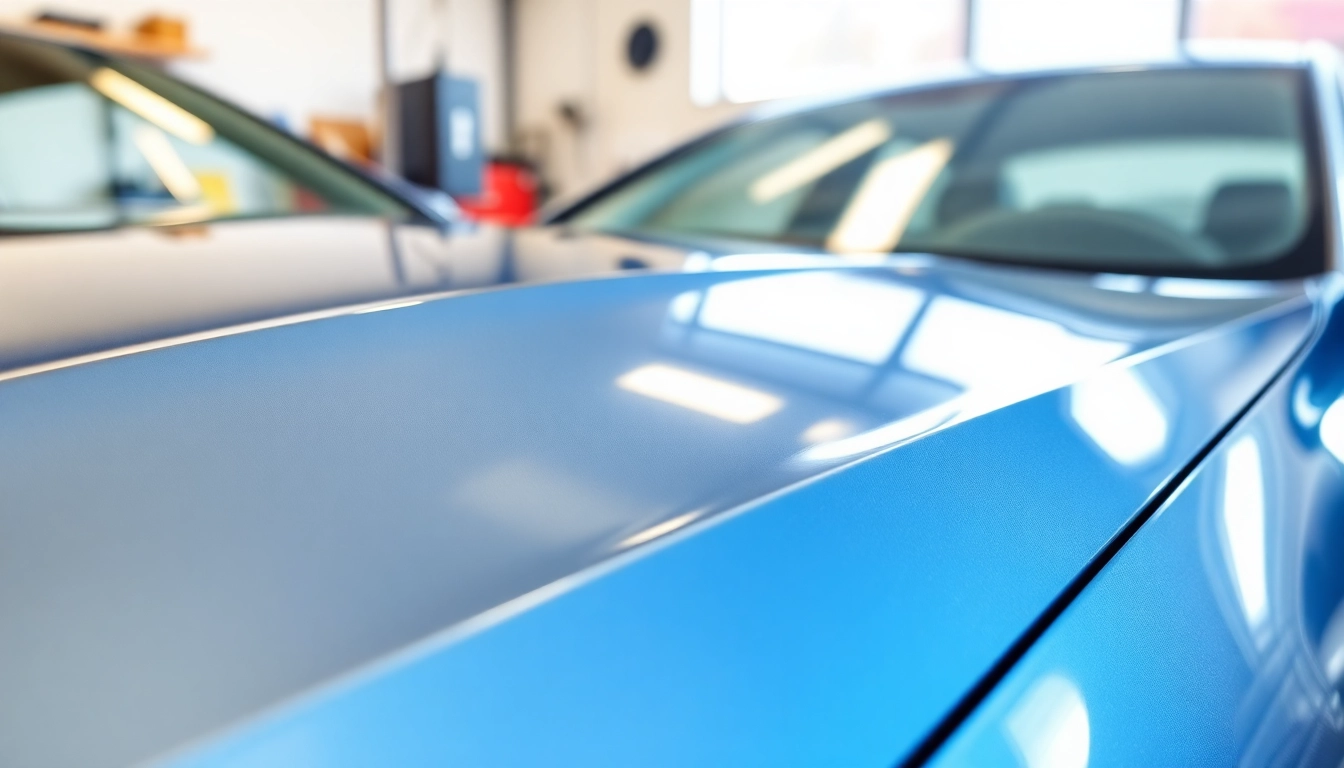
Ceramic coating is a chemical polymer solution applied to the exterior of a vehicle, creating a hydrophobic layer that protects the paint and enhances its appearance. This modern technology forms a strong bond with the vehicle's clear coat, creating an additional layer of protection that is far superior to traditional wax or sealant. Unlike wax, which washes away over time, ceramic coatings are durable and provide a long-lasting shine.
How Does It Work?
The chemical composition of ceramic coatings includes silica dioxide, which forms a bond with the paint and clear coat of the vehicle. When applied correctly, the coating creates a hard protective layer that acts as a shield against environmental contaminants, UV rays, scratches, and even chemical damage. The coating's hydrophobic properties make water bead up and slide off, which also helps prevent the accumulation of dirt, grime, and pollutants.
Benefits of Ceramic Coating Chattanooga
Investing in ceramic coating Chattanooga provides numerous advantages:
- Enhanced Durability: Unlike traditional waxing, ceramic coatings can last for several years with proper maintenance.
- Protection from Elements: The coating protects your vehicle from harmful chemicals, UV rays, scratches, and oxidation.
- Easy Cleaning: The hydrophobic properties help in easy washing of the vehicle, as dirt and water do not adhere strongly to the surface.
- Improved Aesthetic Appeal: Ceramic coatings give a high-gloss finish that can enhance the overall look of the vehicle.
- Cost-Effectiveness: Long-term protection reduces the need for frequent reapplication of wax and other products.
Application Process of Ceramic Coating Chattanooga
Prepping Your Vehicle
The application of ceramic coating begins with proper preparation of the vehicle's surface. This step is crucial because any imperfections such as scratches or contamination can affect the performance of the coating. The process typically involves:
- Washing: Thoroughly wash the vehicle to remove dirt, grime, and pollutants.
- Decontamination: Use clay bars or other products to remove embedded contaminants from the paint surface.
- Polishing: Correcting the paint's imperfections through polishing can lead to a smooth surface that allows for better bonding of the coating.
- Final Inspection: Inspect the surface for any remaining imperfections before proceeding with the application.
Steps for Applying Ceramic Coating
Once the vehicle is thoroughly prepped, the next steps for applying ceramic coating include:
- Application: Using a foam or microfiber applicator, apply the ceramic coating in small sections to ensure even distribution.
- Curing: Allow the coating to cure as specified by product instructions. This may involve leaving it undisturbed for several hours.
- Leveling: After curing, level the coating to eliminate any high spots or uneven areas.
- Final Cure: Some coatings require a final cure period where the vehicle should be kept away from water or direct sunlight for optimal results.
Post-Application Care
After applying ceramic coating, maintaining a proper care routine is essential to maximize its lifespan. Follow these post-application care tips:
- Avoid Washing: Refrain from washing your vehicle for at least the first week to allow the coating to fully cure.
- Gentle Cleaning: When you do wash, use a pH-balanced car shampoo and a microfiber cloth to prevent scratching.
- Inspection: Regularly inspect the coating for any signs of degradation and take appropriate action if needed.
- Top Coats: Consider using a spray sealant or topper every few months to enhance protection and maintain the gloss.
Choosing the Right Ceramic Coating Chattanooga
Types of Ceramic Coatings
There are various types of ceramic coatings available, each with distinctive features. The most common categories include:
- Professional-Grade Coatings: Typically more durable and expensive, these are applied by trained professionals and offer the highest level of protection.
- Consumer-Grade Coatings: Easier to apply and more affordable, suitable for DIY enthusiasts who want to protect their vehicles without professional assistance.
- Hybrid Products: Combining ceramic and traditional wax or sealants to deliver enhanced results while being user-friendly.
Factors to Consider
When selecting a ceramic coating, consider the following factors:
- Your Vehicle's Condition: Assess how much correction your vehicle's paint needs; this may influence your choice of products.
- Your Budget: Determine how much you’re willing to invest in ceramic coating services and maintenance.
- Longevity: Review the longevity claims of different coatings to make sure you’re selecting one that suits your needs.
- Application Process: Some products may require a more complex application process; ensure you are comfortable with it or seek professional help.
Common Mistakes to Avoid
Avoiding common pitfalls during application can lead to better results:
- Skipping Prep Work: Neglecting surface preparation can jeopardize the coating's bond and effectiveness.
- Applying in Poor Conditions: Avoid applying coatings in extremely hot, cold, or humid conditions, which can affect curing.
- Incorrect Application: Failing to follow manufacturer instructions can result in uneven coverage or visibility of defects.
- Ignoring Post-Care: Skipping essential maintenance or care can lead to premature degradation of the coating.
Maintaining Your Ceramic Coating Chattanooga
Routine Maintenance Tips
Proper maintenance of your ceramic coating is vital to ensuring its long-term performance. Regular maintenance tasks include:
- Washing: Regularly wash your vehicle to remove dirt and contaminants, ideally every 2-4 weeks.
- Detailing: Consider professional detailing once or twice a year to refresh the coating and maintain its gloss.
- Inspecting: Keep an eye out for any fading or degradation of the coating, and act accordingly.
Cleaning Recommendations
For best results, use the following cleaning tips:
- Use Soft Materials: Always opt for microfiber towels and soft brushes to prevent scratches.
- Avoid Abrasive Cleaners: Stay away from harsh chemicals that can strip the coating or damage your vehicle's paint.
- Waterless Wash: When in a hurry, consider a waterless wash product designed for ceramic coatings.
Protecting Your Investment
To protect your investment in ceramic coating, adhere to these guidelines:
- Keep It Covered: Whenever possible, park in shaded or covered areas to minimize UV exposure.
- Avoid Parking Under Trees: Overhead debris can cause scratches and damage if it falls on your vehicle.
- Monitor Environmental Conditions: Be aware of changing weather to prevent exposing the vehicle unnecessarily to harsh conditions.
- Use a Car Cover: If the vehicle isn't driven often, using a breathable car cover can prevent dust buildup.
FAQs about Ceramic Coating Chattanooga
How Long Does Ceramic Coating Last?
With proper maintenance, ceramic coating can last anywhere from 2 to 5 years, depending on the product and environmental conditions.
Can Ceramic Coating Damage My Vehicle Paint?
No, when applied correctly, ceramic coating does not damage the paint. Instead, it provides a protective layer that enhances the paint's longevity.
Is Ceramic Coating Worth the Cost?
Yes, while the initial investment may be higher than wax, the long-term protection and ease of maintenance make it cost-effective.
What Are the Weather Limitations?
While ceramic coatings are durable, they may require extra care in extreme weather, such as prolonged exposure to heavy rain or snow.
Can I Apply It Myself?
Yes, many consumer-grade ceramic coatings are designed for DIY application, but professional application often yields better results.