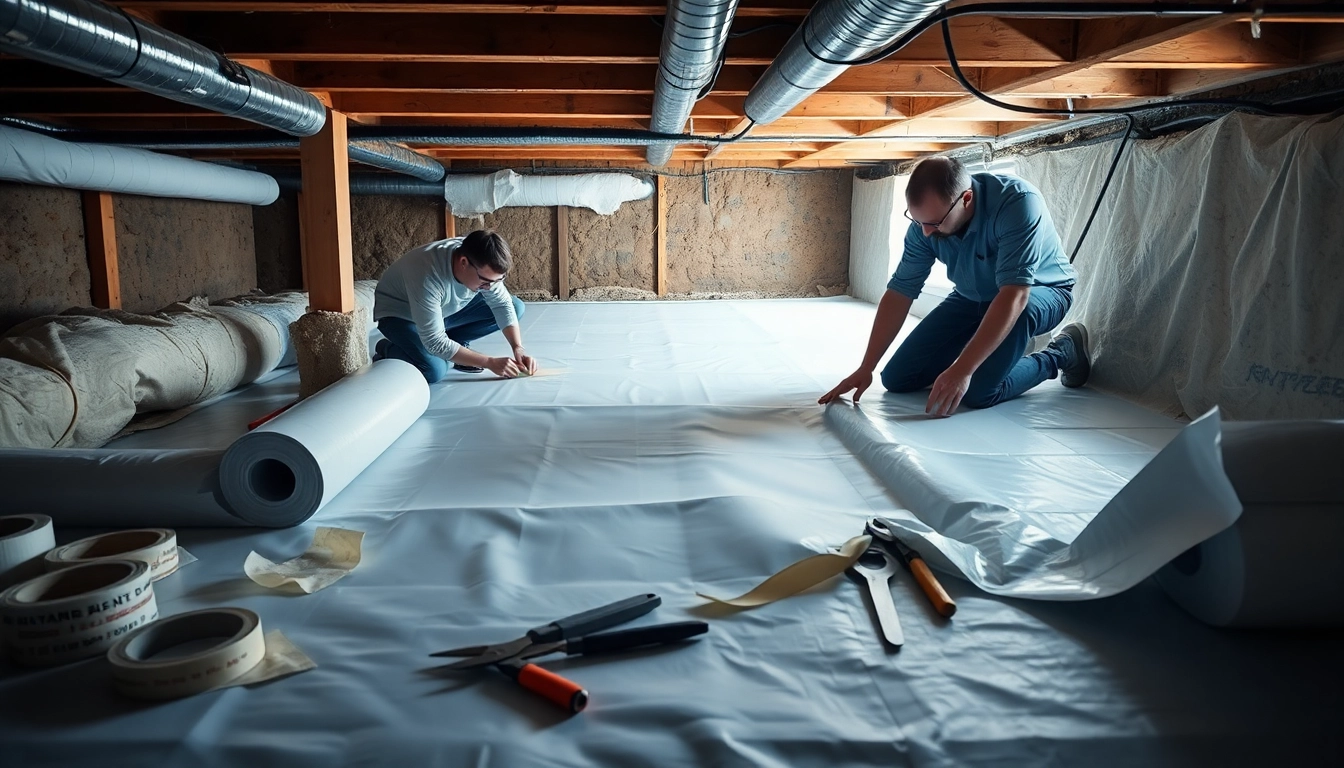
Understanding Vapor Barrier Installation
What is a Vapor Barrier?
A vapor barrier is a material designed to prevent moisture from passing through walls, ceilings, and floors. It's typically made of plastic sheeting or other impermeable substances, functioning to mitigate condensation and humidity levels within structures, particularly in crawl spaces and basements. The most common type of vapor barrier consists of polyethylene plastic, which exhibits excellent resistance to moisture migration.
Importance of Vapor Barrier Installation
Proper Vapor Barrier Installation is crucial for maintaining the overall integrity of a home. Moisture can lead to significant issues, including mold growth, wood rot, and structural damage. By effectively managing moisture levels, a vapor barrier protects not only the crawl space but also the living areas above. Furthermore, it contributes to energy efficiency in homes by reducing heating and cooling costs associated with excess humidity.
Common Misconceptions
Many homeowners harbor misconceptions about vapor barriers. A prevalent myth is that they are only required in humid climates. However, any area can benefit from vapor barriers as moisture issues can arise from various sources, including plumbing leaks and groundwater seepage. Additionally, some believe that installing a vapor barrier will trap moisture. In reality, proper installation allows for moisture control and management, preventing accumulation.
Materials Used in Vapor Barrier Installation
Choosing the Right Material
When selecting a vapor barrier, the three most common materials are polyethylene, rubber, and foil-faced products. Polyethylene is favored for its affordability and durability, with varying thicknesses available. Rubber barriers are often used in commercial settings due to their greater resilience, while foil-faced barriers reflect radiant heat, offering added energy efficiency. Choosing the right material depends on the specific challenges of your crawl space, such as humidity levels and existing water intrusion issues.
Comparing Thickness and Durability
The thickness of a vapor barrier is a critical factor influencing its durability and effectiveness. Standard thickness ranges from 6 to 20 mils, with thicker barriers offering greater resistance to punctures and tears. Thicker vapor barriers can also provide better insulation, contributing to thermal efficiency. However, it's essential to strike a balance, as over-engineering can lead to installation challenges and increased costs without significant performance gains.
Essential Tools for Installation
Before commencing a vapor barrier installation project, gather the necessary tools, including a utility knife, measuring tape, staple gun, and duct tape. A moisture meter can also be invaluable to assess the current moisture conditions within the crawl space. If your installation requires anchoring or additional support, you may also need stakes or weights. Having the right tools at hand will facilitate a smoother installation process and help ensure a successful outcome.
Step-by-Step Guide to Vapor Barrier Installation
Preparation of the Crawl Space
Before installation, prepare the crawl space by removing debris, old insulation, and any obstructions that could interfere with the vapor barrier. It's also essential to address any existing moisture problems. Check for leaks in plumbing or signs of water intrusion, which should be rectified before proceeding. Once the space is clear and dry, take accurate measurements of the area to ensure the vapor barrier fits correctly.
Installation Techniques
To install your vapor barrier, begin by laying out the material across the entire crawl space floor. Ensure overlapping sheets by at least 12 inches, and make sure to cover any seams with duct tape for added protection against moisture seepage. For vertical surfaces, attach the barrier to walls with a staple gun, ensuring a tight fit that minimizes gaps. Lastly, secure the edges along the foundation to create a sealed environment that prevents humidity from entering.
Sealing and Finishing Touches
Effective sealing is vital in completing the installation. Inspect for any gaps or areas where the barrier is not properly secured. Use duct tape to seal any seams, and ensure that the barrier is firmly anchored in place. If applicable, consider applying additional insulation over the vapor barrier to improve thermal performance. Lastly, conduct a thorough final inspection to confirm that no areas are left exposed and vulnerable to moisture ingress.
Best Practices for Maintenance
Monitoring Your Vapor Barrier
After installation, it's important to monitor your vapor barrier regularly. Schedule inspections at least once a year to check for signs of wear, moisture accumulation, or damage. Utilize a moisture meter to track humidity levels, and address any fluctuations promptly to prevent larger issues from developing. Maintenance also involves ensuring that any drainage systems installed are functioning correctly without obstructions.
Repair Tips for Common Issues
Despite best efforts, issues may arise with vapor barriers over time. Common problems include punctures or tears caused by foot traffic or rodents. To repair a damaged barrier, clean the area around the tear, then patch it with an adhesive patch of the same material, and seal the edges with duct tape. This temporary solution will help maintain barriers until a more comprehensive replacement can be considered.
Reinstallation Considerations
If a vapor barrier has reached the end of its life or suffered extensive damage, planning for reinstallation may be necessary. When redoing the barrier, consider upgrading to a thicker material or improving the installation method based on the challenges encountered in the previous setup. Comprehensive inspection of the crawl space should precede any reinstallation efforts to identify new problem areas that need to be addressed.
Frequently Asked Questions About Vapor Barrier Installation
How do I determine if I need a vapor barrier?
If your crawl space experiences high humidity, dampness, or frequent water intrusion, a vapor barrier is highly advisable. An assessment by a professional can provide the best insights.
Can I install a vapor barrier myself?
Yes, with the right tools and preparation, many homeowners can install a vapor barrier themselves. Follow a step-by-step guide to ensure proper installation technique.
What maintenance does a vapor barrier require?
Regular inspections are necessary to check for damage or moisture build-up. Patching small tears and ensuring proper drainage will help maintain the barrier's effectiveness.
How long does a vapor barrier last?
With proper installation and maintenance, a vapor barrier can last 10 to 20 years. Regular checks and prompt repairs can extend its life and performance.
Are there different types of vapor barriers?
Yes, there are various types, including polyethylene, rubber, and foil-faced barriers, each suited for different applications and environmental conditions.