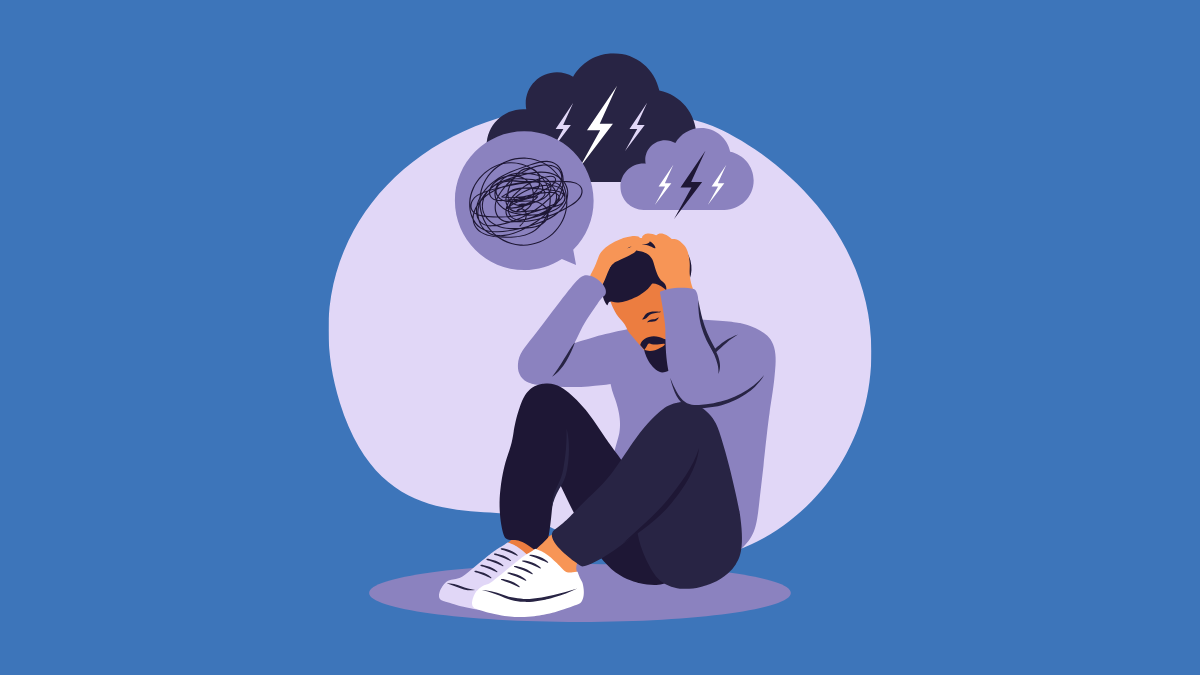
Depression is more than just feeling sad occasionally. It is a mental health condition that can deeply affect a person’s daily life, influencing mood, sleep patterns, and energy levels. Understanding the Depression symptoms that impact these areas is essential for early recognition, support, and treatment. Calm Minds Hub is dedicated to providing reliable information to help you navigate emotional health with kindness and practical guidance.
Understanding Depression
Depression is a complex condition that affects the brain, body, and emotions. It can make simple daily tasks feel overwhelming and can interfere with personal relationships, school, work, and overall quality of life. While everyone experiences moments of sadness or fatigue, depression symptoms are persistent and often disrupt normal functioning for weeks, months, or even longer.
Some common factors contributing to depression include:
- Genetic predisposition or family history of depression
- Trauma or significant life stressors
- Chronic illness or medical conditions
- Imbalances in brain chemicals such as serotonin and dopamine
- Lifestyle factors like poor sleep, lack of physical activity, or substance use
Recognizing the symptoms early is vital to seeking appropriate help and improving mental health.
Depression Symptoms That Affect Mood
Mood changes are one of the most noticeable signs of depression. They can appear gradually or suddenly and affect how a person interacts with themselves and others. Common depression symptoms related to mood include:
- Persistent sadness or emptiness: Feeling down most of the day, almost every day. Even activities that were once enjoyable may feel meaningless.
- Irritability or frustration: Small inconveniences can trigger strong negative reactions.
- Loss of interest: Hobbies, social events, and friendships may no longer seem appealing.
- Feelings of hopelessness or guilt: Individuals may feel worthless or believe that nothing will ever improve.
- Emotional numbness: Some people feel detached from emotions, unable to experience joy or excitement.
Real-life example: Sarah, a high school student, noticed that she stopped enjoying her favorite activities, like painting and hanging out with friends. She felt irritable for no apparent reason and often cried without explanation. These mood changes were key indicators of depression.
Depression Symptoms That Affect Sleep
Sleep disturbances are another common manifestation of depression. The relationship between sleep and mental health is bidirectional, meaning poor sleep can worsen depression and vice versa. Typical depression symptoms affecting sleep include:
- Insomnia: Difficulty falling asleep or staying asleep at night.
- Early morning waking: Waking up too early and unable to return to sleep.
- Oversleeping: Sleeping more than usual but still feeling fatigued.
- Restless sleep: Frequent tossing and turning, nightmares, or disturbed sleep cycles.
Poor sleep can make mood swings, irritability, and low energy worse, creating a cycle that reinforces depressive symptoms.
Analogy: Imagine your body is a smartphone. If it never gets fully charged overnight, it won’t function properly during the day. Similarly, depression-related sleep issues prevent the brain and body from restoring energy and emotional balance.

Depression Symptoms That Affect Energy Levels
Low energy is one of the most disruptive depression symptoms. It can make even simple tasks feel exhausting and reduce motivation for everyday activities. Common signs include:
- Persistent fatigue: Feeling tired despite adequate rest or sleep.
- Decreased motivation: Difficulty starting or completing tasks, even important ones.
- Physical sluggishness: Moving slowly, feeling heavy, or experiencing bodily aches without medical reasons.
- Reduced concentration: Trouble focusing, remembering details, or making decisions.
Case study: James, a college student, found it hard to get out of bed in the morning. Even attending classes required enormous effort, and he often skipped meals due to fatigue. Recognizing low energy as a depression symptom helped him seek counseling and support from his school’s mental health services.
How Mood, Sleep, and Energy Are Interconnected
Mood, sleep, and energy do not function independently. When one is affected by depression, it often influences the others. For example:
- Persistent sadness can lead to insomnia or oversleeping.
- Sleep deprivation worsens irritability, hopelessness, and concentration difficulties.
- Low energy can reduce participation in social activities, reinforcing feelings of isolation and sadness.
Understanding this interconnectedness is crucial for addressing depression holistically, not just focusing on one symptom.
Practical Ways to Manage Depression Symptoms
While professional help is essential for managing depression, there are practical steps that can support mood, sleep, and energy:
1. Mood Management
- Therapy: Cognitive-behavioral therapy (CBT) helps identify negative thinking patterns and develop healthier coping strategies.
- Mindfulness practices: Meditation, deep breathing, or yoga can reduce emotional reactivity.
- Social support: Talking to trusted friends or family members reduces feelings of isolation.
- Engaging in enjoyable activities: Even small, pleasurable activities can improve mood gradually.
2. Sleep Improvement
- Consistent sleep schedule: Go to bed and wake up at the same time every day.
- Sleep-friendly environment: Keep the bedroom dark, cool, and quiet.
- Limit stimulants: Avoid caffeine, electronics, or heavy meals before bedtime.
- Relaxation techniques: Reading, gentle stretching, or warm baths can promote restful sleep.
3. Boosting Energy
- Physical activity: Regular exercise, even light walking, improves mood and energy.
- Balanced diet: Eating nutrient-rich foods can prevent energy dips.
- Pacing yourself: Break tasks into smaller steps to avoid overwhelming fatigue.
- Sunlight exposure: Natural light regulates circadian rhythms and boosts energy.
When to Seek Professional Help
Recognizing depression symptoms early is crucial, but self-help strategies are not always enough. Seek professional help if:
- Symptoms persist for two weeks or longer.
- Daily functioning, school, or work is significantly impacted.
- Thoughts of self-harm or hopelessness occur.
Mental health professionals can provide evidence-based treatments, including therapy, medication, or a combination, tailored to individual needs.
Real-Life Benefits of Early Intervention
Early recognition and treatment of depression symptoms can:
- Improve mood and emotional stability.
- Restore healthy sleep patterns.
- Increase energy levels and motivation.
- Strengthen relationships and social connections.
- Reduce the risk of long-term complications, such as chronic depression or anxiety disorders.
Understanding depression as a medical condition, rather than a personal flaw, can reduce stigma and encourage seeking support.
Conclusion
Depression affects mood, sleep, and energy in profound ways, often creating a cycle that worsens symptoms if left untreated. By learning to recognize these depression symptoms, individuals can take proactive steps toward healing. Whether through professional help, lifestyle adjustments, or social support, addressing depression early can improve quality of life and emotional well-being. Calm Minds Hub is committed to providing accessible, evidence-based guidance to help you navigate these challenges with compassion and understanding. Explore featured stories and top recommendations on the main page.
FAQs
What are the most common depression symptoms?
Common depression symptoms include persistent sadness, irritability, loss of interest in activities, sleep disturbances, low energy, and difficulty concentrating. These signs often affect daily functioning and relationships.
How can depression affect sleep?
Depression can cause insomnia, early morning waking, oversleeping, or restless sleep. Poor sleep exacerbates mood problems and low energy, creating a cycle that reinforces depressive symptoms.
What steps can I take to manage low energy caused by depression?
Practical steps include engaging in regular physical activity, maintaining a balanced diet, pacing daily tasks, seeking sunlight exposure, and consulting a mental health professional for guidance and treatment.