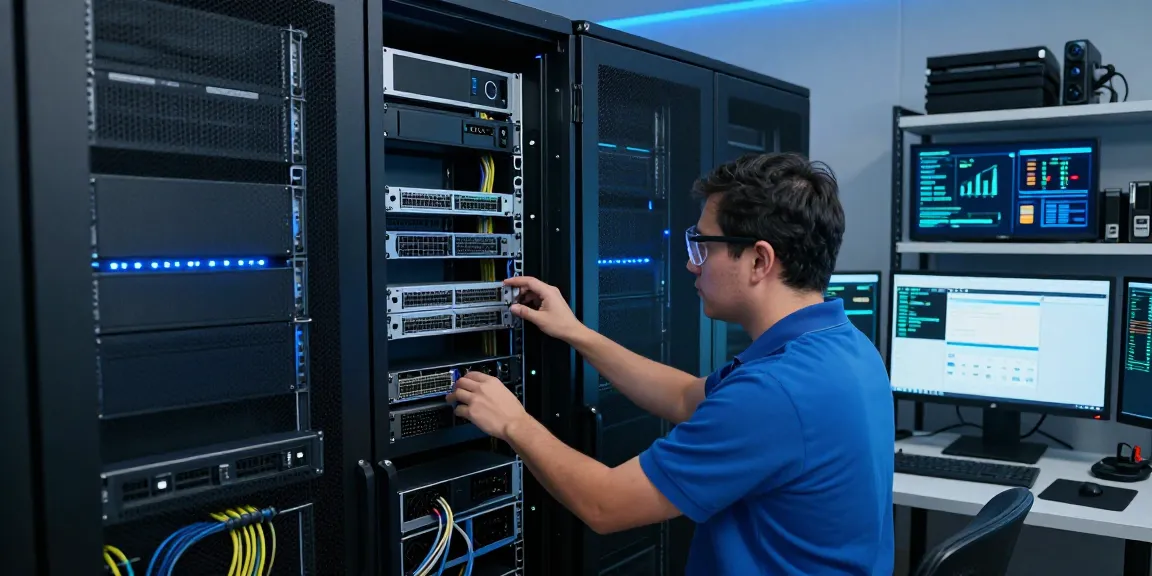
Understanding Network Monitoring Tampa: A Vital Component for Businesses
In today’s hyper-connected world, ensuring uninterrupted network functionality is paramount to a business’s success. For organizations based in Tampa, effective network monitoring is not just a technical requirement; it’s a strategic necessity. With the increasing reliance on digital infrastructure, the ability to proactively assess network performance and detect issues before they escalate is vital. When exploring options, Network Monitoring Tampa services can offer comprehensive insights into maintaining seamless operations.
What is Network Monitoring and Why is it Important?
Network monitoring refers to the practices and tools used to regularly monitor, manage, and maintain networks. This involves tracking various aspects of network performance, such as bandwidth utilization, latency, uptime, and the health of endpoints. The importance of effective network monitoring cannot be overstated—it aids in ensuring that businesses can quickly respond to potential threats, maintain network security, and optimize performance.
In Tampa, where businesses increasingly depend on digital channels for operations and customer engagement, network monitoring serves several purposes:
- Proactive Issue Resolution: Early detection of problems helps to mitigate downtime and maintain productivity.
- Enhanced Security: Continuous monitoring allows for the identification and immediate response to security threats.
- Resource Management: Understanding network traffic and usage helps in optimizing resources and planning for future needs.
Key Features of Effective Network Monitoring Solutions
When selecting a network monitoring solution, businesses should look for certain key features to ensure comprehensive coverage and effectiveness:
- Real-Time Monitoring: Continuous tracking of network performance and security is essential. This allows for immediate insights into any irregularities.
- Automated Alerts: Effective systems should notify IT personnel of issues as they arise, allowing quick response times.
- User-Friendly Dashboards: A centralized management portal that provides visualizations of network health is crucial for ease of use.
- Scalability: As businesses grow, their network monitoring solutions should easily expand to accommodate increasing demands.
Common Misconceptions About Network Monitoring
Despite its importance, several misconceptions persist around network monitoring that can hinder effective implementation:
- It’s Only for Large Enterprises: Many believe that only large organizations require robust network monitoring. In reality, all businesses, regardless of size, can benefit from these services.
- It's Too Expensive: While some solutions may come at a high cost, there are scalable options available that cater to different budgets.
- It Requires Extensive IT Knowledge: Modern network monitoring tools are designed to be user-friendly, making them accessible even for smaller teams.
Identifying the Right Network Monitoring Tools for Your Business
Selecting the most appropriate network monitoring tools is crucial for maximizing a business’s operational efficiency. With many options available, organizations in Tampa must filter through these choices carefully.
Top Software Solutions for Network Monitoring in Tampa
Some of the leading network monitoring solutions catering to businesses in Tampa include:
- SolarWinds Network Performance Monitor: Known for its comprehensive monitoring capabilities, it offers detailed insights into network performance, making it ideal for mid-sized to large businesses.
- Pinger: This simple yet effective tool provides essential monitoring capabilities for small businesses without overwhelming users with complexity.
- Datadog: A cloud-based solution that excels in monitoring server performance and network interactions, suitable for businesses embracing cloud technologies.
- Paessler PRTG: Offers customizable dashboards and the ability to monitor networks, servers, and applications, making it a versatile option.
Choosing Tools Based on Company Size and Needs
When evaluating network monitoring tools, consider the size of your business and specific requirements:
- For small businesses, solutions with straightforward interfaces and essential monitoring capabilities are often sufficient.
- Mid-sized organizations typically benefit from more robust solutions that offer a balance of cost and performance.
- Large enterprises usually require sophisticated, integrated systems capable of extensive monitoring across multiple locations and departments.
Integrating Network Monitoring Tools with Existing Systems
Seamless integration of new network monitoring tools with existing IT infrastructure is essential for maximizing efficiency. Here are some best practices:
- Assessment: Conduct a thorough assessment of existing systems to determine compatibility.
- Phased Implementation: Gradual integration allows for troubleshooting without disrupting daily operations.
- Training: Ensure staff are adequately trained on new tools to maximize their effectiveness and minimize resistance to change.
Challenges in Implementing Network Monitoring in Tampa
While the benefits of network monitoring are significant, implementation can present challenges that businesses must navigate effectively.
Common Obstacles Businesses Face
Organizations in Tampa encounter various hurdles when adopting network monitoring solutions:
- Cost Constraints: Budget limitations can prevent businesses from investing in the most effective solutions.
- Resistance to Change: Employees may resist adopting new technologies due to fear of job displacement or lack of familiarity.
- Complexity: Some systems can be overwhelming, making it difficult to fully utilize their capabilities.
Best Practices to Overcome Implementation Challenges
To overcome these challenges, businesses should consider implementing the following best practices:
- Clear Communication: Clearly articulate the benefits of network monitoring to all employees to gain buy-in.
- Budget Planning: Allocate sufficient resources for implementation and ongoing management.
- Continuous Training: Provide ongoing training to ensure that staff can effectively leverage network monitoring tools.
Case Studies: Successful Network Monitoring Integration
Examining local case studies can provide valuable insights into effective network monitoring integration:
- Case Study: Local Healthcare Provider - A Tampa-based healthcare provider implemented a robust network monitoring system that reduced downtime by 30% and improved patient data security.
- Case Study: E-commerce Retailer - An online retailer utilized real-time network monitoring to enhance user experience, resulting in a 20% increase in sales following implementation.
Measuring the Success of Network Monitoring Strategies
To verify the effectiveness of network monitoring strategies, businesses need to establish metrics for success.
Key Performance Indicators for Network Monitoring
Identifying the right key performance indicators (KPIs) is crucial for assessing the effectiveness of network monitoring:
- Uptime: The percentage of time the network is operational and accessible to users.
- Latency: Measuring delays within the network, which can affect performance and user experience.
- Incident Response Time: How quickly IT teams can respond to and resolve issues.
How to Analyze and Interpret Monitoring Data Effectively
Once data is collected, analysis and interpretation become key:
- Utilize Automation: Employ automation tools to process data and generate actionable insights.
- Regular Reporting: Create regular reports to track trends and changes in network performance over time.
- Feedback Loop: Establish a feedback mechanism to continuously improve monitoring strategies based on performance data.
Adjusting Strategies Based on Network Performance Metrics
Based on the insights gained from performance metrics, organizations should remain adaptable:
- Optimize Configurations: Make changes to configurations based on usage patterns and performance data.
- Strategic Investments: Identify areas needing investment, such as upgrading hardware or increasing bandwidth.
The Future of Network Monitoring in Tampa: Trends and Innovations
The landscape of network monitoring is continually evolving, with emerging technologies paving the way for more advanced capabilities.
Emerging Technologies Impacting Network Monitoring
Various technologies are set to revolutionize network monitoring in Tampa:
- Artificial Intelligence: AI-driven solutions can enhance threat detection and automate response mechanisms.
- Machine Learning: Predictive analytics will allow businesses to anticipate network issues before they arise.
- Cloud-Based Monitoring: As cloud computing grows, cloud-based monitoring solutions provide flexibility and scalability.
Predictions for Network Management Development in 2025
As we look towards 2025, several predictions can be made regarding the future of network management:
- Increased reliance on AI for automated monitoring and incident response.
- A greater focus on cybersecurity measures integrated with network monitoring solutions.
- Enhanced user interfaces that simplify management and improve accessibility for non-technical users.
How Local Businesses Can Stay Ahead of the Curve
To remain competitive, Tampa businesses need to embrace upcoming trends in network monitoring:
- Invest in Training: Equip employees with knowledge on emerging technologies and best practices.
- Stay Informed: Keep abreast of industry trends and developments to adapt strategies proactively.
- Collaborate with Experts: Engage with network monitoring professionals to gain insights and implement best practices.
In conclusion, as digital landscapes evolve, so too must the approaches to network monitoring. Tampa businesses that prioritize effective monitoring strategies are not only ensuring their operational success today but also paving the way for a secure and efficient future.