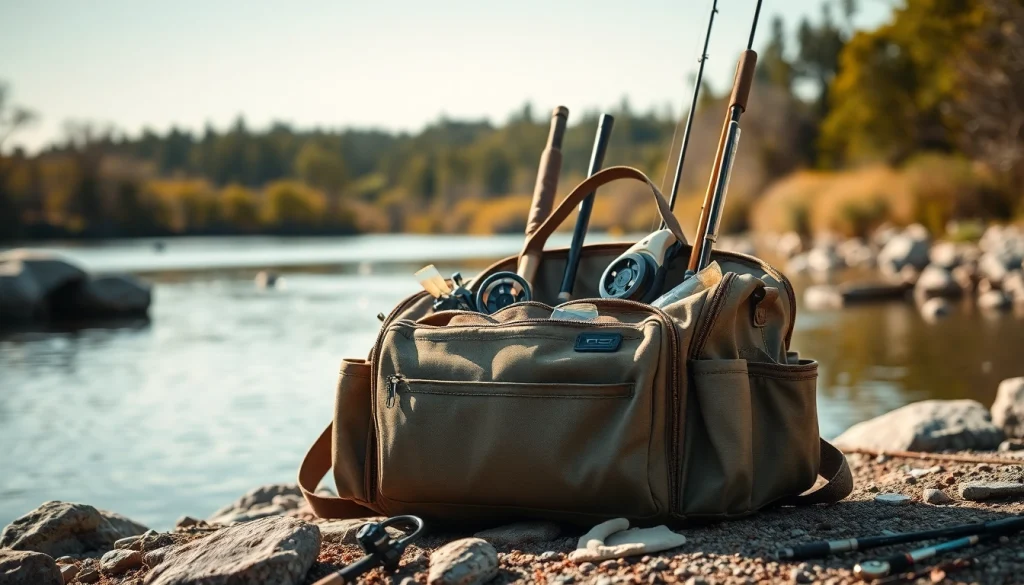
1. Understanding the Importance of a Fly Fishing Bag
For avid anglers, a quality fly fishing bag is more than just a storage solution; it’s an essential companion on every fishing trip. As fly fishing continues to grow in popularity, having the right bag can enhance your experience, improve your efficiency on the water, and ensure that you are prepared for all scenarios. Whether you are a beginner or an experienced trout chaser, understanding the significance of well-designed fly fishing bag is crucial.
1.1 Why Every Angler Needs a Quality Bag
A quality fly fishing bag serves multiple critical functions. Primarily, it helps organize your gear, making it easy to access essential items such as flies, tippets, and tools. An organized bag allows you to spend less time searching for gear and more time fishing. Additionally, a good bag protects your equipment from environmental elements such as water, dirt, and wear and tear, enhancing their longevity.
Moreover, having a well-structured bag can significantly improve your angling experience. It allows you to venture into various fishing environments—be it a serene lake or a raging river—confident that your gear is safe and ready for action. Functionality, durability, and comfort in transportation are all vital features that make a quality fly fishing bag indispensable.
1.2 Features to Look for in a Fly Fishing Bag
Choosing the right fly fishing bag involves understanding key features that cater to your specific needs. Here are some considerations:
- Material: Look for water-resistant or waterproof materials to protect against splashes and rain.
- Storage Compartments: Bags with multiple pockets and organizational tools help keep everything in its place.
- Comfort: Padded straps and adjustable fits contribute to better weight distribution, particularly during long hikes.
- Weight: A lightweight bag is easier to carry, especially if you’re on the move.
- Versatility: Choose a bag that can be adapted to different fishing styles and approaches.
1.3 Common Mistakes When Selecting a Fly Fishing Bag
Many anglers make mistakes when selecting their fly fishing bags, often resulting in dissatisfaction down the line. A few common pitfalls include:
- Overlooking Size: Many anglers ignore the importance of size to fit their specific needs. A bag that is too small may lead to equipment being poorly packed, while an overly large bag can become burdensome.
- Neglecting Durability: Opting for cheaper materials can save money initially but often leads to a need for replacement sooner than later.
- Forgetting About Accessibility: If compartments and pockets aren’t easily accessible, it can result in frustration when you need something quickly.
2. Types of Fly Fishing Bags
The diversity in fly fishing styles has paved the way for specialized bags designed for varying preferences and environments. Here are the most common types of fly fishing bags:
2.1 Backpacks vs. Sling Bags: Which is Right for You?
Choosing between a backpack and a sling bag greatly affects your fly fishing experience. Backpacks typically offer more storage and are suitable for anglers who prefer to carry additional gear. They distribute weight evenly across your back, making longer hikes more comfortable. On the flip side, sling bags provide quick access to gear when moving along the bank or within a boat. They are lighter and can be adjusted on the go, allowing you to shift the bag to the front for easy retrieval.
Consider your fishing habits—do you prefer long treks in search of remote fishing spots or more relaxed outings to easily accessible locations? This preference will guide your choice.
2.2 Specialty Bags for Different Fishing Styles
There are various specialty bags designed to cater to specific fishing styles:
- Hip Packs: Ideal for minimalist anglers, hip packs are perfect for shorter trips or small streams, allowing easy access to essentials without the bulk.
- Chest Packs: Offering a front-centered carrying option, chest packs keep gear handy while providing a free range of movement—ideal for casting.
- Boat Bags: Specifically designed for use on boats, these bags provide ample storage while being secured to prevent tipping overboard.
2.3 Evaluate Size and Capacity for Your Needs
Understanding your fishing habits and packing requirements is essential when evaluating the size and capacity of a fly fishing bag. Are you planning on a day trip or a multi-day excursion? Will you need to carry extra clothing and food, or is your focus solely on fishing gear? Matching your bag’s size with your needs ensures optimal usage without unnecessary inconvenience.
3. Essential Accessories for Your Fly Fishing Bag
Having the right accessories can significantly enhance your fly fishing experience. Here are some essential items that you should consider including in your bag:
3.1 Organization Tools: Tackle Boxes and Pouches
Proper organization tools, like tackle boxes and pouches, are indispensable for keeping flies, lures, and other tackle sorted and easily accessible. Depending on the size of your bag and how much gear you need, having modular storage solutions can help you avoid clutter. It’s also beneficial to label different sections or boxes for various types of flies or tackle to streamline your fishing process.
3.2 Safety Gear and First Aid Supplies
Safety should always be a priority while angling. Packing a basic first aid kit, including items such as bandages, antiseptic wipes, and pain relief medication, can be crucial in the event of minor injuries. Additionally, consider including a whistle or emergency beacon and always have a personal flotation device if fishing in potentially dangerous waters.
3.3 Optional Fishing Tools for Efficiency
You might also want to consider carrying optional fishing tools that can add efficiency to your day. Tools like a multi-tool, line clippers, or forceps can enhance your fishing experience. Having a landing net can be beneficial for catch-and-release practices, ensuring that fish remain healthy during the process.
4. Tips for Maintaining Your Fly Fishing Bag
Maintaining your fly fishing bag is essential to ensure that it lasts for many seasons of fishing adventures. Here are actionable tips for keeping your bag in top shape:
4.1 Cleaning and Caring for Your Bag
After each fishing trip, it’s a good practice to clean your bag. Depending on the material, you can use a damp cloth to wipe down external surfaces and ensure no dirt or moisture lingers. For waterproof bags, most can be sprayed down with fresh water to rinse off salt or sand that may have accumulated.
4.2 Storage Solutions for Longevity
When your fishing season ends, store your bag in a cool, dry space. Avoid folding or cramming it into tight areas, as this can cause permanent creases or damage. Consider stuffing the bag with newspaper or other soft materials to maintain its shape during storage.
4.3 Upgrading Your Bag – When and Why?
Identifying when to upgrade your fly fishing bag is essential for maintaining an optimal fishing experience. Signs that it might be time for a new bag can include noticeable wear and tear, inadequate space for new gear, or inability to access items efficiently. Regular evaluations of your gear can determine if your current bag still meets your fishing requirements.
5. Customer Reviews and Recommendations
When it comes to investing in a fly fishing bag, customer reviews can be invaluable. They provide insight into how various bags perform in real-world conditions, helping you to make an informative decision before purchase.
5.1 Top Brands in the Fly Fishing Bag Market
There are several well-regarded brands in the fly fishing bag market, each offering unique features and designs. Brands like Orvis, Simms, and Patagonia are frequently recommended for their durability and thoughtful design. Researching the brands that best meet your needs and budget can guide you toward a more satisfying purchase.
5.2 User Experiences: Learning from Others
User experiences often highlight specific strengths or weaknesses of bags that you may not have considered. Reading first-hand accounts, especially from anglers who pursue similar styles to yours, can provide additional context. Online forums and review sites are excellent resources for gathering such information.
5.3 Final Thoughts on Choosing the Best Fly Fishing Bag
Ultimately, the best fly fishing bag for you can be a matter of personal preference. By accurately assessing your needs and closely considering the features and types of bags available, you can make an informed decision that will enhance your time on the water. Investing time in research and examining user feedback will pay off in the long run, ensuring that you choose a bag that harmonizes with your fly fishing lifestyle.