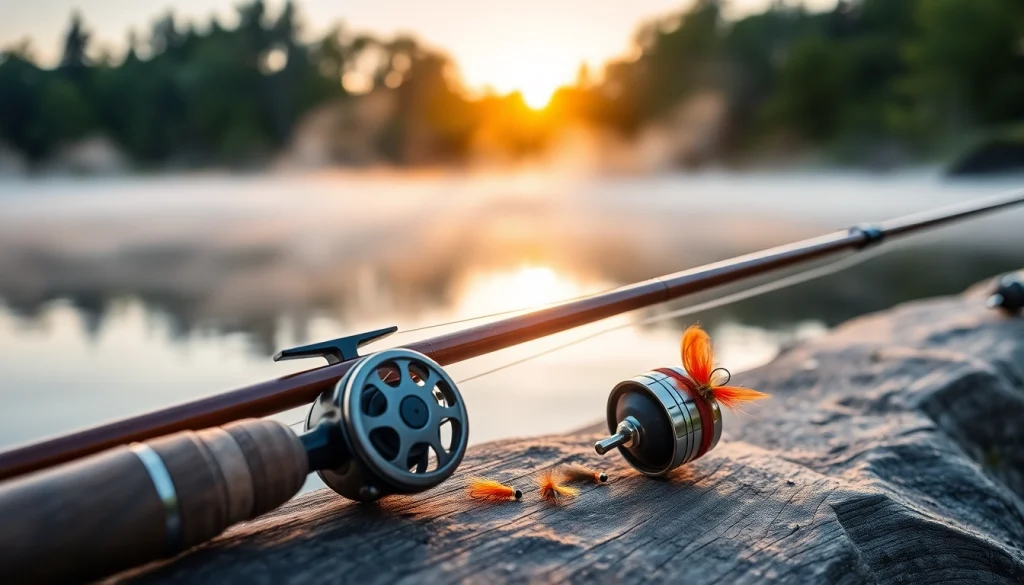
Understanding the Basics of a Fly Fishing Kit
Embarking on a fly fishing adventure requires the right tools, and a well-equipped Fly fishing kit is essential for success. But what exactly does such a kit include? This section will break down the key components, helping both beginners and seasoned anglers make informed choices.
What’s Inside a Fly Fishing Kit?
Typically, a comprehensive fly fishing kit contains several crucial items that enable anglers to fish effectively. Here’s a detailed look at what you can expect:
- Fly Rod: The rod is fundamental to casting and reeling in fish. Fly rods vary in length, action, and weight, which will influence your fishing experience.
- Fly Reel: While the reel’s role is primarily to retrieve line, it must pair well with the rod for optimal functionality.
- Fly Line: Essential for casting, fly line also comes in various types, such as floating or sinking, depending on the fishing techniques employed.
- Leader Line: Connecting the fly line to the fly, the leader line is vital for stealth and disguise.
- Flies: These are the artificial lures designed to mimic the insects that fish target. Different flies suit various conditions and fish types.
- Additional Accessories: This may include nippers, forceps, a tackle box, extra tippet line, and even a fly box to store your flies securely.
Choosing the Right Equipment Based on Experience
Selecting the appropriate equipment in your fly fishing kit is essential and should align with your skill level. Beginners should opt for kits that are pre-spooled and come with a simple rod and reel combination, allowing for easy usage. As anglers progress, they might look for specialized gear to suit their preferred fishing techniques or target species.
The Importance of a Quality Fly Rod
The fly rod is among the most crucial elements in a fishing kit. A well-made rod improves casting accuracy and provides better feedback while battling fish. Rods are made of different materials, such as graphite, fiberglass, and bamboo. Understanding which material suits your style and preferred fishing conditions is key to enjoying a successful day on the water.
Types of Fly Fishing Kits Available
Beginner Kits for First-Time Anglers
First-time anglers often require a more straightforward setup. Beginner kits typically include a 5-weight fly rod, a corresponding reel, and all essential accessories. These kits often cater to common fishing conditions for newcomers, making them ideal for those starting their fly fishing journey.
Intermediate Fly Fishing Kits
As anglers gain experience, their requirements evolve. Intermediate kits may provide a mix of equipment tailored for specific fishing conditions, such as river or lake fishing. These kits often feature higher-quality rods and reels, catering to those seeking improved performance.
Advanced Angler’s Essentials
Advanced kits typically contain specialized gear that seasoned anglers can utilize for specific fish species or unique environments. They may include multiple rod options, high-quality reels, and an expanded selection of flies. Experienced anglers often customize their kits to match individual preferences and specific fishing challenges.
How to Choose the Right Fly Fishing Kit
Assessing Your Fishing Environment and Goals
Understanding your fishing environment and specific goals is critical when selecting the right fly fishing kit. Factors such as the type of water (still or moving), the species you aim to catch, and your fishing style will guide your choices. Identifying these will lead to a more fulfilling fishing experience.
Understanding Different Fly Types and Their Uses
Flies come in various categories, such as dry flies, nymphs, and streamers. Each type serves a unique purpose in attracting different species of fish. It’s essential to familiarize yourself with these distinctions, as selecting the right fly can significantly enhance your fishing success.
Price Considerations for Quality Kits
Budget considerations will influence your choice of fly fishing kit. Kits vary widely in price depending on their quality and components. Investing in a higher-quality kit is often beneficial in the long run, as better equipment generally improves performance and longevity.
Best Practices for Using Your Fly Fishing Kit
Setting Up Your Kit for Success
Proper setup of your fly fishing kit is vital. This includes spooling the reel correctly, tying on the leader and tippet, and selecting the right fly. Taking the time to ensure everything is set up properly will enhance your chances of a successful outing.
Maintaining and Caring for Your Equipment
Proper care for your equipment will prolong its life and performance. Rinse your gear with fresh water after each use to remove salt or debris. Inspect your lines for frays, and check all components for damage regularly.
Practicing Casting Techniques with Ease
Effective casting is crucial for success in fly fishing. Invest time in practicing your casting techniques in a controlled environment. This will improve your accuracy and distance, allowing you to present your fly more naturally to the fish.
Frequently Asked Questions about Fly Fishing Kits
What is included in a standard fly fishing kit?
A typical fly fishing kit includes a fly rod, fly reel, fly line, leader line, various flies, and essential accessories like nippers and forceps.
Are fly fishing kits suitable for beginners?
Yes, fly fishing kits designed for beginners often come with everything needed to start fishing easily, making them ideal for newcomers.
How much should I spend on a fly fishing kit?
Prices vary widely, but investing in a quality kit is advisable. A mid-range price point typically offers the best balance of quality and affordability.
Can I use a fly fishing kit for different types of fish?
Yes, depending on the kit’s equipment, you can target various species. It’s best to choose flies and gear that match your intended catch.
How do I maintain my fly fishing kit?
Regular maintenance involves rinsing gear after use, checking lines for damage, and inspecting components for wear to ensure longevity and performance.