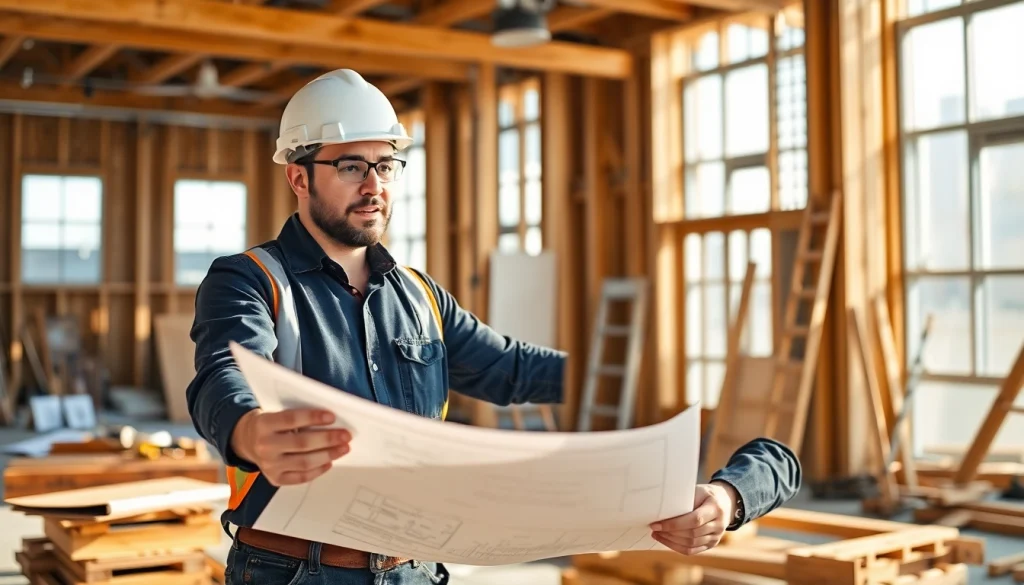
The Role of a Manhattan General Contractor
In the bustling metropolis of Manhattan, construction projects range from skyscrapers that touch the clouds to unique residential renovations that reflect individual styles. At the heart of these projects lies the Manhattan General Contractor, a critical figure orchestrating the building process. Whether you are setting up a new commercial space or transforming your home, understanding the role and responsibilities of a general contractor is essential for success.
Understanding General Contracting Services
A general contractor provides overall management for a construction project, serving as a centralized point of contact for the client, subcontractors, and suppliers. Their services typically include budgeting, scheduling, procurement, and quality control during the building process. In addition, they ensure compliance with safety regulations and zoning laws, which can vary significantly across different neighborhoods in Manhattan. To learn more about general contracting services, consider seeking guidance from a Manhattan General Contractor who can provide tailored solutions for your specific needs.
Key Responsibilities of a General Contractor in Manhattan
The responsibilities of a general contractor in Manhattan are extensive and multifaceted:
- Project Management: Coordinating various aspects of construction, from planning through execution, ensuring that each phase of the project flows smoothly.
- Budget Management: Developing a comprehensive budget that accounts for all materials, labor, permits, and unexpected costs while continually monitoring expenditures.
- Scheduling: Creating a project timeline to keep tasks on track and aligning the schedules of subcontractors to avoid delays.
- Quality Assurance: Regularly inspecting work completed on-site to ensure it meets quality standards and complies with local building codes.
- Safety Management: Implementing safety protocols to protect workers and bystanders and adhering to OSHA regulations and local safety laws.
Industries Served by Manhattan General Contractors
Manhattan General Contractors operate in a diverse array of industries, making them versatile players in the construction landscape. Some of the key sectors include:
- Residential Construction: Building apartments, luxury homes, and townhouses that reflect the dynamic architectural styles of Manhattan.
- Commercial Construction: Developing office spaces, retail environments, and mixed-use buildings designed to meet the demands of businesses in a vibrant urban setting.
- Institutional Projects: Engaging in school, hospital, and government construction, focusing on functionality and compliance with specific regulatory requirements.
- Renovations and Remodeling: Offering services to update and remodel existing properties, integrating modern amenities and design while preserving historical elements.
How to Select Your Manhattan General Contractor
Choosing the right general contractor is integral to the success of your project. Below are critical steps to ensure that you make an informed decision as you navigate through the selection process.
Assessing Experience and Expertise
The experience and expertise of a general contractor can significantly influence the project outcome. Look for contractors who have:
- A Proven Track Record: Review their portfolio to evaluate previous projects similar in scope and style to yours.
- Specialized Skills: Depending on the complexity of your project, expertise in specific areas (e.g., green building, historical renovations) can be an asset.
- Industry Reputation: Seek recommendations from friends, family, or professionals in the industry, and check online reviews to gauge client satisfaction.
Checking Credentials and References
Validating a contractor’s credentials helps ensure that they operate legally and ethically. Important considerations include:
- Licenses and Insurance: Confirm that the contractor holds the necessary licenses for Manhattan and carries adequate liability and worker’s compensation insurance.
- References: Request and contact previous clients to discuss their experiences, focusing on communication, adherence to timelines, and quality of work.
- Professional Associations: Membership in industry organizations can be an indicator of credibility and commitment to professional development.
Evaluating Quotes and Contracts
Once you’ve shortlisted potential contractors, evaluate their quotes carefully. Consider the following:
- Detailed Quotes: A well-detailed quote includes a breakdown of costs for materials, labor, and unexpected expenses. Avoid vague estimates that lack transparency.
- Contract Terms: Review contract terms for clarity on project timelines, payment schedules, and scope of work. Ensure you understand all clauses before signing.
- Change Order Procedures: Discuss how changes to the project will be handled, including approvals and pricing adjustments, to avoid conflicts later on.
Common Challenges Faced by Manhattan General Contractors
While general contractors are equipped to handle construction projects, they often encounter challenges that can affect timelines and budgets. Understanding these challenges can help you better prepare for your project.
Permitting and Zoning Issues
Manhattan’s dense population and unique zoning laws often complicate the permitting process. Challenges may arise from:
- Complex Regulations: Each neighborhood may have specific zoning regulations that dictate what can be built and where, requiring extensive research and compliance.
- Delays in Approvals: The permitting process can take longer than anticipated, which may stall construction timelines.
A knowledgeable contractor will have established relationships with local agencies that may expedite approvals and ensure compliance with all necessary regulations.
Managing Client Expectations
Effective communication is vital in managing client expectations, particularly in a project-heavy environment like Manhattan. Key considerations include:
- Setting Realistic Goals: Discuss what is achievable within your timeframe and budget, including potential hurdles.
- Regular Updates: Keeping clients informed through updates about progress, delays, or changes helps maintain trust and transparency.
Navigating Supply Chain Constraints
Delays in materials can significantly impact construction times, particularly in an environment where demand frequently outstrips supply. Some strategies to mitigate these challenges include:
- Prioritizing Orders: Contractors should aim to secure materials early and assess the reliability of suppliers.
- Identifying Alternatives: Having backup options for materials can prevent projects from stalling due to shortages.
Best Practices for Working with Your Manhattan General Contractor
Building a successful partnership with your general contractor can lead to a rewarding construction experience. Here are some effective practices:
Establishing Clear Communication Channels
Effective communication is the backbone of a successful project. Consider implementing:
- Regular Meetings: Schedule check-ins to discuss progress, address concerns, and stay aligned on goals and expectations.
- Defined Point of Contact: Having a single point of contact on both sides can streamline communication and reduce misunderstandings.
Setting Realistic Timelines and Budgets
To ensure a successful project, it is critical to set realistic timelines and budgets, taking into account:
- Buffer Time: Allow for unexpected delays in the schedule to avoid frustration later in the project.
- Contingency Funds: Allocate a percentage of your budget for unforeseen expenses to limit the impact of surprises.
Regular Site Visits and Updates
Maintaining an active presence at the construction site helps you stay informed. Regular visits can:
- Facilitate Decision Making: Being on-site allows for expedient decisions related to design changes or unforeseen issues that may arise.
- Enhance Quality Control: Observing the work being done allows for immediate feedback and corrections to align with your vision.
Evaluating the Success of Your Construction Project
After project completion, assessing the success of the construction project requires thoughtful evaluation:
Metrics for Assessing Project Completion
Several metrics can help you evaluate project success, such as:
- On-Time Completion: Did the project finish within the established timeline?
- Budget Adherence: Was the project completed within the allocated budget?
- Quality Standards: Did the final result meet your quality expectations, including finishes, materials, and craftsmanship?
Gathering Client Feedback Post-Project
Soliciting feedback helps improve future projects. Consider sending a post-project survey that addresses:
- Satisfaction Levels: How satisfied are you with the overall quality of work done?
- Communication Effectiveness: Was your contractor responsive, and did they keep you informed throughout the project?
Measuring Return on Investment in Construction
To gauge the long-term value of your investment, consider measuring:
- Increased Property Value: Did the completed project contribute to an increase in market value?
- Operational Efficiency: For commercial projects, assess whether the new space is resulting in improved efficiency or revenue.
- Client Satisfaction: Positive feedback from occupants can influence the long-term success and reputation of the project.